-
What Materials Are Used in Bag Valve Masks?
Nov 04 , 2026
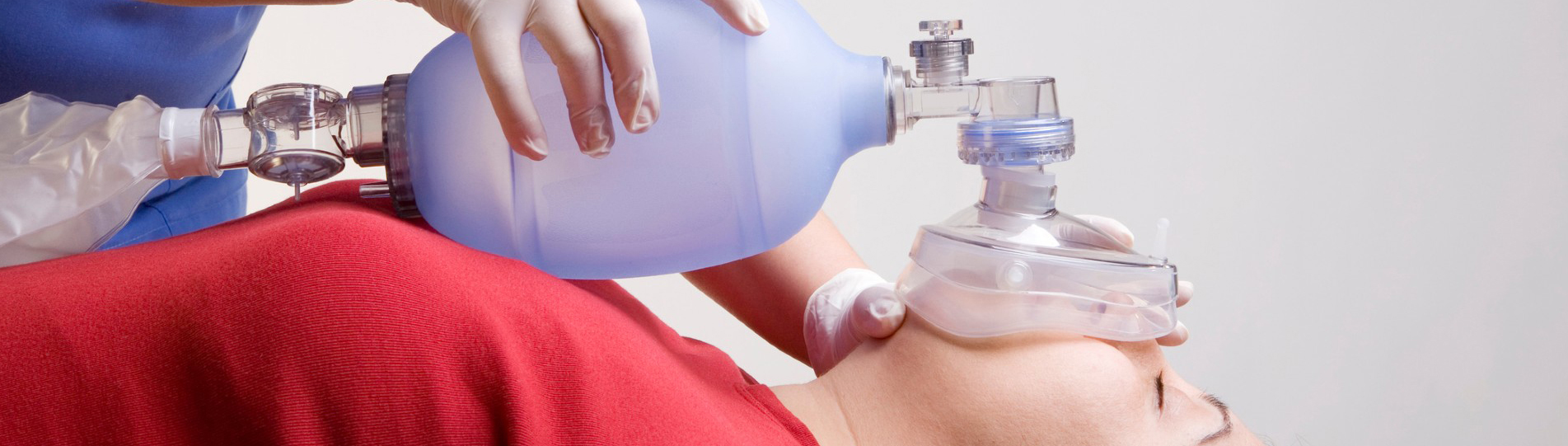
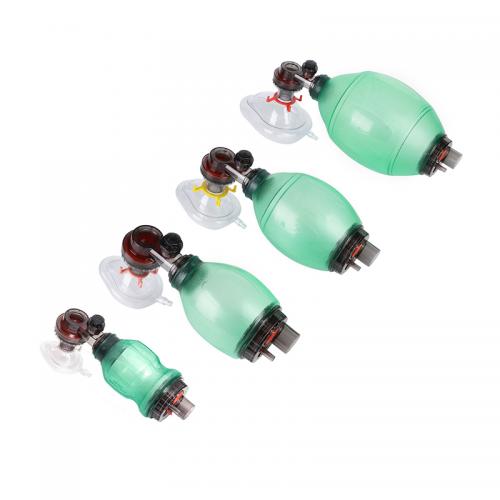
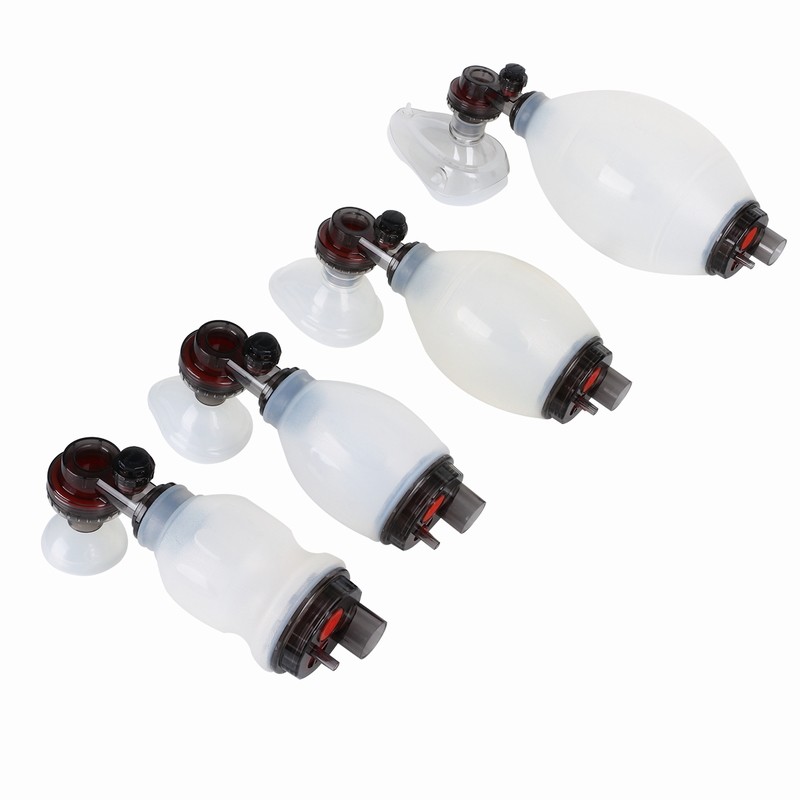
Manufacturers build bag valve masks from several primary materials, including PVC, silicone, and other polymers such as rubber. Most units are latex-free, and each component uses a specific material for a functional reason. The self-inflating bag demands elasticity, the valve demands rigidity, and the mask demands a soft, clear seal. A silicone BVM resuscitator suits repeated cleaning, while a PVC...
-
PVC vs Silicone Bag Valve Mask: Which One Should You Choose?
Nov 10 , 2026
Choose PVC BVMs for cost-effective single-use stock and emergency preparedness. Choose silicone when you need a reusable, durable option for long-term or specialized use. The choice is not strictly disposable versus reusable, however: PVC also comes as a lower-cost reusable version. This PVC vs silicone bag valve mask comparison weighs both materials across performance, application fit, compliance...
-
A Buyer's Guide to PVC, SEBS, and Silicone Bag Valve Masks
Nov 20 , 2026
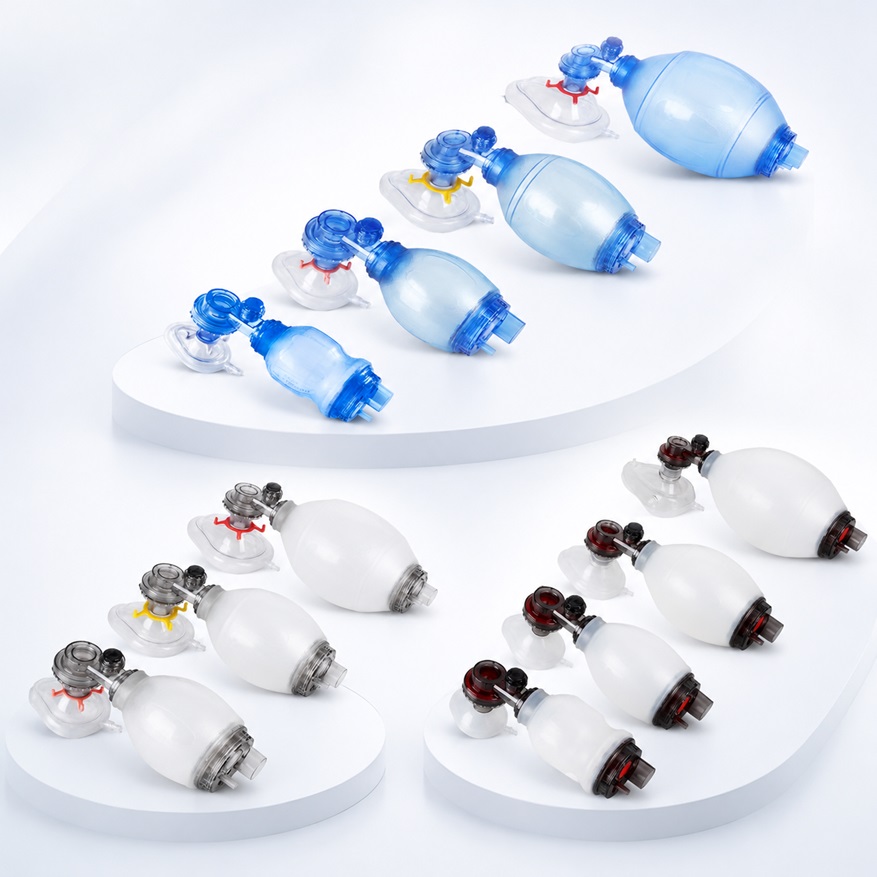
You face a crowded shelf of resuscitators, and three materials compete for your order: PVC, SEBS, and silicone. Each one changes seal quality, durability, and safety in your clinical setting. Each one carries different regulatory demands and a different price. Which material is best for your needs, and why? This buyer's guide answers that question with a clear, side-by-side comparison of all three...
-
Bag Valve Mask Specifications Compared: What Should Buyers Look For?
Nov 20 , 2026
Four specification categories deserve your attention first: technical performance, application fit, regulatory compliance, and cost. Suppliers list bag valve masks under several names, including manual resuscitator, manual resuscitation bag, ambu bags, and self-inflating systems. Search product specifications under each of these terms before you compare. Listings often look alike. Delivered volume...



 IPv6 network supported


 English
 فارسی
 français
 Deutsch
 русский
 italiano
 español
 português
 العربية
 Türkçe