-
When Is a Spinal Immobilization Collar Indicated for Use?
Oct 28 , 2026
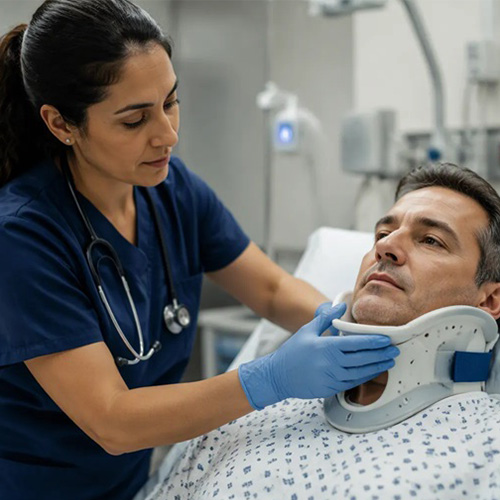
A spinal immobilization collar is indicated after trauma when a patient has a known or suspected cervical spine injury, altered mental status, midline tenderness, focal neurologic deficits, distracting injuries, or penetrating trauma to the head, neck, or torso with neurologic complaints. The device may also help patients with spinal pain or tenderness, midline spinal tenderness, and signs consist...
-
Risks Associated With Improper Placement of a Cervical Collar
Oct 28 , 2026
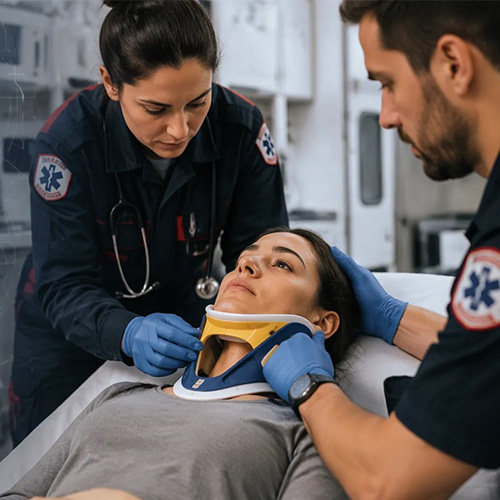
A cervical collar protects the spinal cord only when someone places it correctly. The improper placement of a cervical collar turns a protective device into a hazard. Readers often ask about the potential harm of c collars, and the answer starts with five key risks: worsened spinal cord injury, airway and breathing compromise, pressure ulcers and muscle atrophy, elevated intracranial pressure, and...
-
Comparison of Extrication Collars Used by Paramedics
Nov 04 , 2026
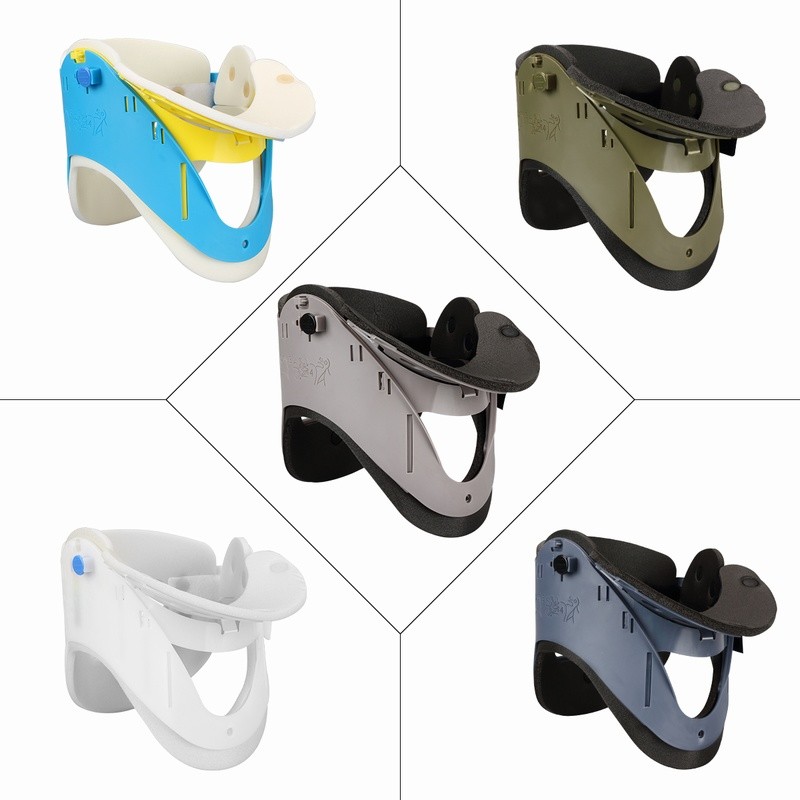
A paramedic often has seconds to choose and apply an extrication cervical collar, sometimes while wedged inside a wrecked vehicle. That split-second decision shapes how well the neck stays immobilized and how comfortable the patient remains during transport. This article compares Extrication Collars on four practical criteria: technical performance, application fit, regulatory compliance, and cost...
-
What Materials Are Used in Bag Valve Masks?
Nov 04 , 2026
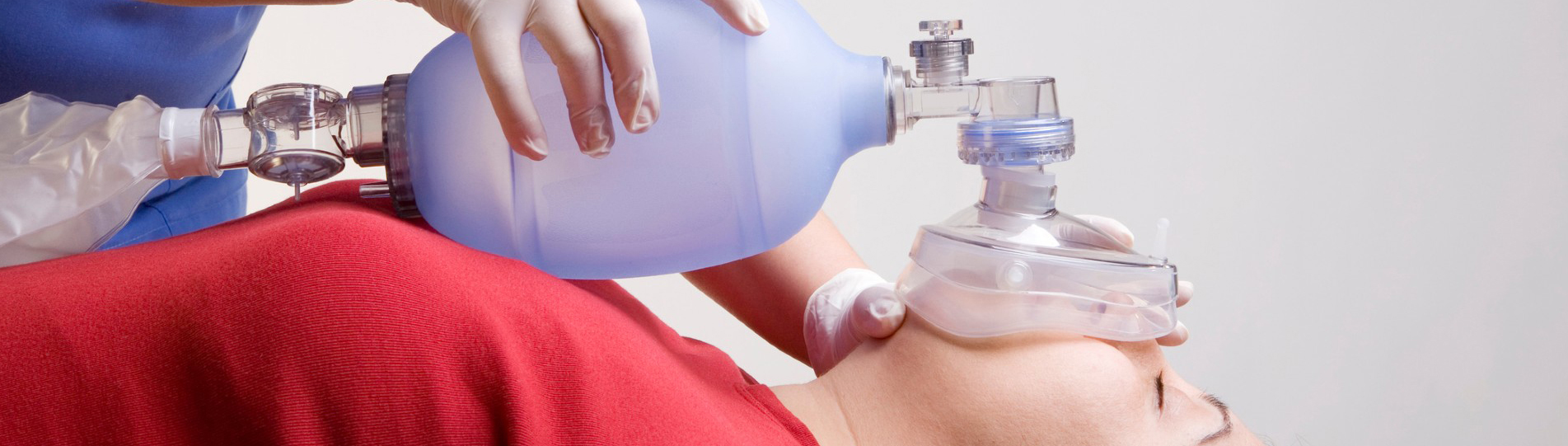
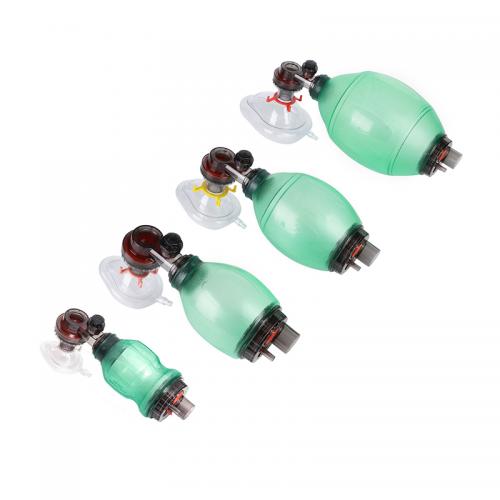
Manufacturers build bag valve masks from several primary materials, including PVC, silicone, and other polymers such as rubber. Most units are latex-free, and each component uses a specific material for a functional reason. The self-inflating bag demands elasticity, the valve demands rigidity, and the mask demands a soft, clear seal. A silicone BVM resuscitator suits repeated cleaning, while a PVC...



 IPv6 network supported


 English
 فارسی
 français
 Deutsch
 русский
 italiano
 español
 português
 العربية
 Türkçe