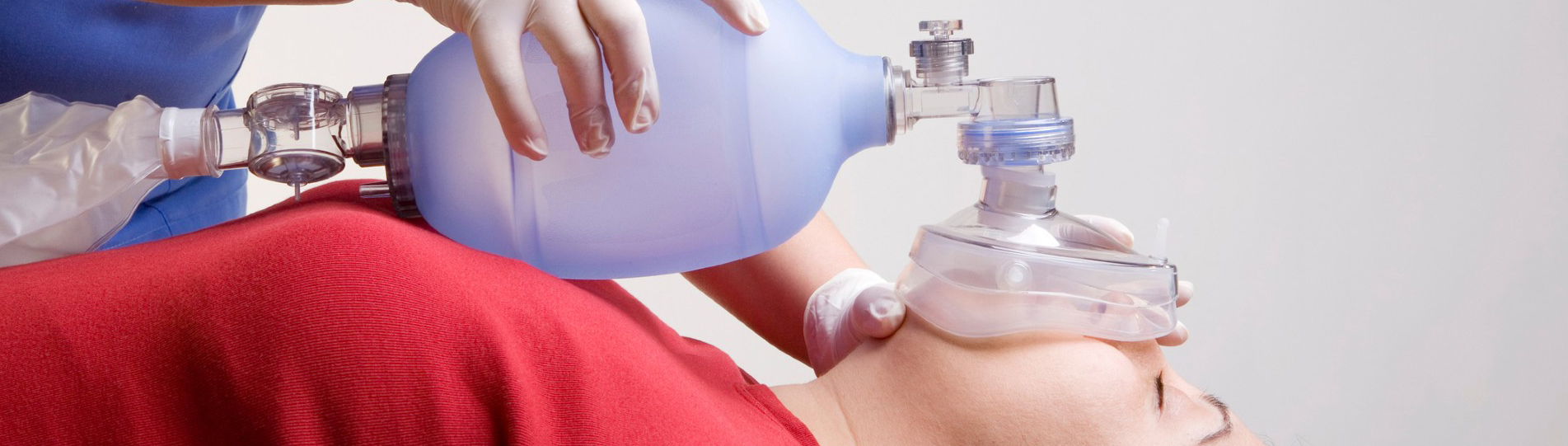

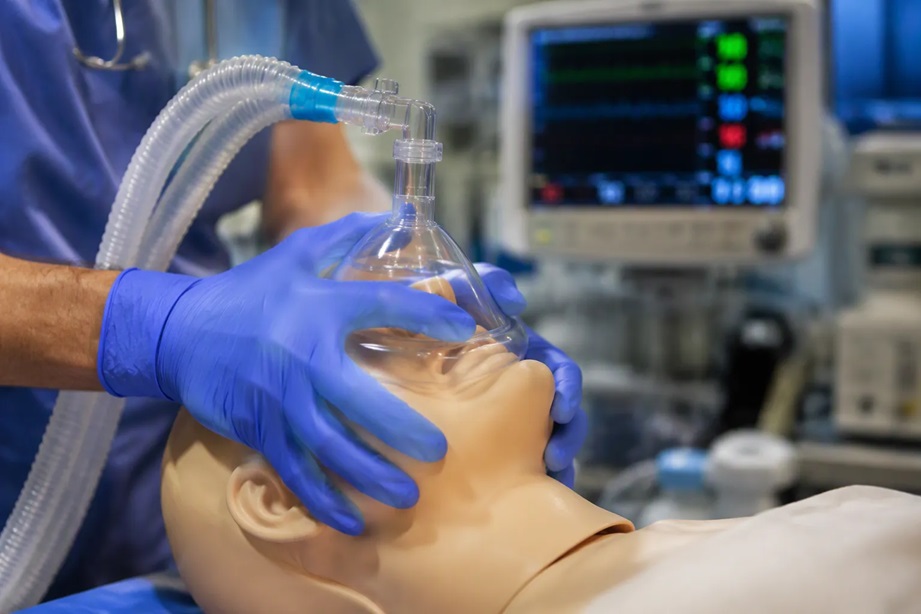
An inadequate mask seal is the most common and most consequential error in mask ventilation. When you fail to create an effective seal between the mask and your patient's face, you prevent airway patency. This failure blocks effective breathing anesthetic gases through a mask. A leaky mask seal causes several problems at once. Air escapes around the cushion, so tidal volume drops. The child receives less oxygen. Gastric insufflation can occur when gas enters the stomach instead of the lungs. Hypoxia follows quickly in a child. Provider fatigue also builds as you struggle to hold the mask in place. These consequences make difficult mask ventilation a real risk. You must avoid common mistakes with the seal to protect every child.
A poor seal also creates a difficult airway situation. The child may desaturate before you notice. You need an adequate mask seal for safe anesthesia. A well-designed mask cushion from Tianzuo Medical helps maintain a seal with less hand fatigue. Options like a PVC anesthesia mask, autoclavable silicone anesthesia masks, or PVC-free anesthesia masks offer different cushion properties. Each type can support a better seal for the child.
The two-handed EC clamp gives you the best control over the mask seal. Follow these steps to secure the airway:
Place the mask over the child's nose and mouth.
Form an "E" with your thumb and index finger on the mask dome.
Form a "C" with your remaining fingers along the jaw.
Apply jaw thrust to lift the mandible forward.
Perform a chin lift to open the airway.
This technique reduces leaks and improves mask ventilation. You must avoid common mistakes like using one hand when two are needed. A child needs your full attention before anesthesia. The EC clamp helps you maintain breathing through a mask for the child. Practice this method on every child. Difficult airway management becomes easier with proper technique. The child depends on your skill.
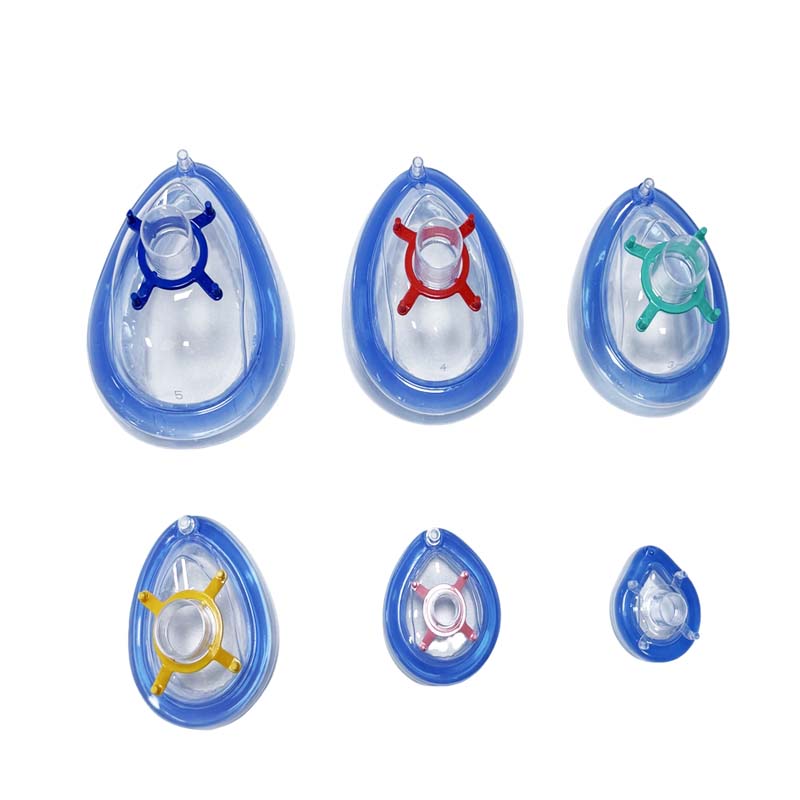
A mask that covers more than the nose and mouth creates problems for the child. Clinical guidance on face mask ventilation shows that a properly fitted mask sits on the nasal bridge, covers the nose and mouth, and rests just above the chin. When a mask is too large, it may extend below the chin and cause air to leak inferiorly. It may also cover the eyes and break the seal superiorly. Both scenarios result in loss of seal and air leaks. These leaks directly contribute to ventilation problems for the child.
Over-coverage also harms the child in other ways. Air leaks blow into the eyes and cause dryness and irritation. A poorly fitting mask increases air leakage and promotes eye rubbing. One case report described a 66-year-old woman who developed corneal haze after wearing a poorly fitting face mask that was loose around her nose. The authors concluded that improper airflow from the mask caused exposure keratopathy. This shows that inappropriate mask fit can damage the corneal epithelium. You must avoid common mistakes with sizing to protect the child.
Proper sizing starts with a simple measurement. Measure from the bridge of the nose to the mandibular suture. Select the smallest mask that achieves a seal. This approach ensures the mask covers only the nose and mouth. A mask that fits well supports effective mask ventilation for the child. You should check the fit before anesthesia begins. A good fit reduces leaks and protects the child's skin.
Tianzuo Medical offers a range of mask sizes and cushion designs to match diverse facial anatomies. Options include a PVC anesthesia mask, autoclavable silicone anesthesia masks, and PVC-free anesthesia masks. Each type provides different cushion properties for the child. You can choose the best option for each child. Proper sizing and the right cushion design help you maintain a mask seal with less effort. This step protects the child and supports safe mask ventilation.
Poor head and neck positioning obstructs the airway and makes ventilation difficult. You must avoid common mistakes with positioning before anesthesia begins. A child who lies with a flexed neck will have a narrowed pharyngeal passage. A child with an extended head will also narrow the pharyngeal passage. You need to align the airway axes. The sniffing position achieves this alignment. This position requires slight neck flexion with mild head extension. You place a small pillow under the child's occiput. The external auditory meatus aligns with the sternal notch. This alignment opens the passage for effective gas delivery. Proper head positioning prevents difficult mask ventilation.
Evidence supports the sniffing position for maintaining airway patency. A study of 12 anesthetized patients with obstructive sleep apnea compared the sniffing neck position with the neutral neck position. Researchers used endoscopic measurements of pharyngeal cross-sectional area at different static pressures. The pressure-area curves for the sniffing position were higher. These results indicate a larger maximum cross-sectional area and a lower closing pressure in the retropalatal and retroglossal passages. This position helps maintain a passive pharyngeal airway. The position supports mask ventilation during anesthesia induction. You should use the sniffing position for every child. A professional-grade PVC mask from Tianzuo Medical works with proper positioning. Autoclavable silicone masks also pair effectively. You must not neglect positioning for any child.
Excessive pressure from the device causes serious injuries. You can compress the facial nerve or the trigeminal nerve. Skin breakdown occurs when you hold the facepiece too firmly. Ocular injury can result from pressure on the eye. Excessive pressure also disrupts the mask seal. You must avoid these problems for every child. A child who receives prolonged mask ventilation faces higher risk. A child depends on your vigilance. You should rotate pressure points every few minutes. Use appropriate cushioning to distribute force. Autoclavable silicone masks provide better cushioning. This material reduces pressure and remains durable. You should check for pressure areas periodically. Lift the device briefly and inspect the patient's skin. Redness or blanching signals excessive pressure. Adjust your technique. A difficult airway may require more pressure, but balance force with safety. A child cannot tell you about discomfort. You must observe and adjust. A child trusts you for protection and needs your full attention to avoid harm.
PVC-free masks offer an option for children with sensitive skin. You can choose the best material for each patient. You protect all children through careful technique. The right cushion design and positioning work together. You achieve adequate gas exchange without harming the patient. Good technique protects every patient.
Failure to monitor and confirm ventilation is a critical mistake. You may believe the child is breathing well when the airway is actually obstructed. Unrecognized hypoxia and hypercapnia can develop within minutes. You must verify every breath you deliver.
No single sign proves effective mask ventilation. You should confirm success through several methods at once:
A normal waveform confirms gas reaches the lungs. Chest rise alone can mislead you when the child has a distended stomach. You should treat the capnography reading as your primary guide. The child deserves this layered check before anesthesia deepens.
Early warning signs appear before desaturation. A falling oxygen saturation, a rising end-tidal carbon dioxide value, or a changing waveform shape all signal trouble. You may also notice the child's chest does not rise, or the mask seal fails. These clues tell you to adjust the mask, reposition the head, or increase fresh gas flow.
Escalate to a supraglottic airway or intubation when ventilation does not improve after brief corrective steps.
You must oxygenate and ventilate the child without delay. Difficult mask ventilation can shift into a difficult airway within seconds. Skilled difficult airway management means you recognize the failure early and act. Children decline faster than adults, so your margin is small. Reassess the mask seal, the head position, and the airway patency each time. The child depends on your rapid judgment.
Proper preparation improves outcomes and reduces mask ventilation difficulty. You play the central role in this process. When you prepare your child for surgery, you protect the airway and lower risks.
Fasting matters because it reduces aspiration risk. Aspiration means food or stomach acid gets into the lungs. This complication can harm the child during anesthesia. You must follow the fasting instructions exactly. General fasting guidelines before anesthesia set clear time limits for each intake type.
Healthy infants and children may safely drink clear liquids, including water, fruit juices without pulp and carbohydrate-containing beverages, until two hours before receiving anesthesia, according to guidelines from the American Society of Anesthesiologists (ASA).
Intake Type
ASA-Recommended Fasting Duration
Clear fluids
2 hours
Breast milk
4 hours
Formula
6 hours
Solids (light meal)
6 hours
Fried/fatty food or meat
8 hours or more
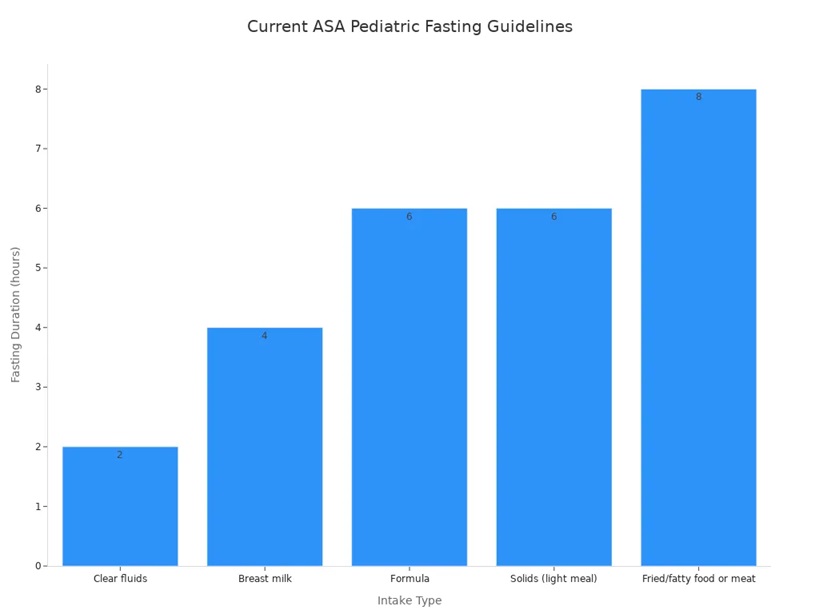
You should give clear liquids until 2 hours before. This rule keeps the child hydrated. A dehydrated child is harder to ventilate with a mask. Follow these guidelines about eating and drinking for every child.
Fasting alone does not guarantee easy ventilation. Additional measures improve the child's overall condition. Adequate sleep, a healthy diet, and increased activity level all help. Stopping tobacco use matters for older children and caregivers. A systematic review found that smoking cessation 3 to 6 weeks before surgery gave an additional 7% favorable effect on reducing perioperative respiratory complications. One clinical study showed tobacco users reduced daily smoking from 17.8 to 7.2 at one year. These steps improve lung mechanics and lower airway risk.
These measures are general health steps, not mask-specific techniques. They still improve safety for the child. A well-rested child tolerates anesthesia better. A child with healthy lungs needs less pressure to maintain a seal. For children with material sensitivities, PVC-free anesthesia masks offer a safer option. You should discuss all preparation steps with your care team. Every choice you make supports your child's safety.
You now know the key mistake areas: seal, sizing, positioning, pressure, monitoring, and preparation. These errors connect. Poor positioning ruins your seal. A poor seal ends effective mask ventilation. You must practice, assess yourself, and stay vigilant. Each child deserves your best technique before anesthesia. Keep your mask steady and your airway open. Watch the monitor and protect the child's skin. A difficult airway demands calm hands. Safe airway management starts with you. Tianzuo Medical's masks reduce risk, yet your skill and attention remain paramount. Children trust you. Give every child a safe start. Your mask, your focus, and your airway plan protect the child.
You watch the capnography waveform for a consistent, rectangular shape. You also auscultate breath sounds and observe chest rise. A leaky seal produces an irregular waveform and poor chest rise. Adjust the mask or reposition the head until the seal holds. Never assume the seal is fine without checking.
Measure from the nasal bridge to the mandibular suture. Choose the smallest mask that covers only the nose and mouth and still achieves a seal. A mask that extends past the chin or over the eyes leaks and presses on sensitive skin. Tianzuo Medical offers sizes for diverse facial anatomies.
Yes. Rotate pressure points every few minutes and lift the mask briefly to inspect the skin. Redness or blanching means you apply too much force. Use a well-cushioned mask, such as an autoclavable silicone anesthesia mask, to distribute pressure. A PVC-free anesthesia mask helps when a child has sensitive skin.
Escalate when ventilation does not improve after brief corrective steps. If the child's oxygen saturation falls or the capnography waveform stays poor despite repositioning and a better seal, move to a supraglottic airway or intubation. Children decline faster than adults, so act without delay.
Fasting lowers aspiration risk, which protects the airway during anesthesia. A dehydrated child is harder to ventilate with a mask, so give clear liquids until two hours before. Adequate sleep, a healthy diet, and increased activity also improve lung mechanics. These steps support safer mask ventilation for every child.

 IPv6 network supported


 English
 فارسی
فارسی français
 Deutsch
 русский
 italiano
 español
 português
 العربية
 Türkçe