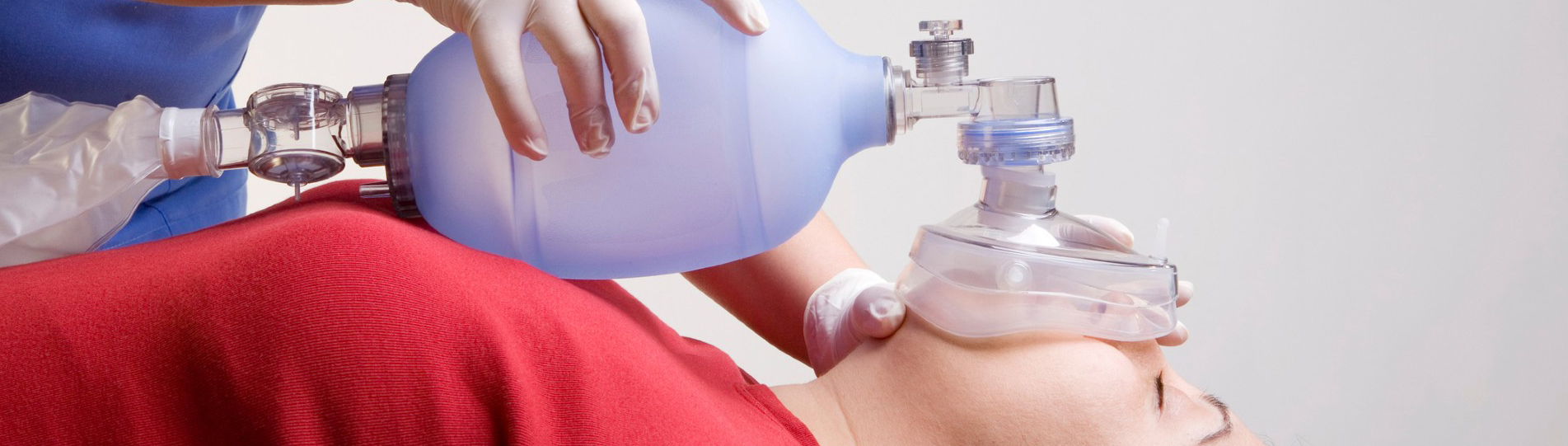

A rapid response team pulls a BVM from the code cart. The moment demands action. Yet the choice between disposable vs. reusable BVM devices offers no universal answer. Three factors guide this decision: usage frequency (high-volume or sporadic), budget structure (capital outlay versus per-use cost), and infection control protocols (availability of sterilization equipment). This comparison provides a clear framework to match your facility’s workflow, budget, and safety requirements.
Two device families dominate emergency ventilation. The disposable vs. reusable bvm devices distinction rests on materials, intended lifespan, and reprocessing needs. A bvm bag valve mask delivers positive-pressure breaths during cardiac arrest, respiratory failure, or transport. Most units sold today are disposable, yet reusable models remain essential in certain care settings.
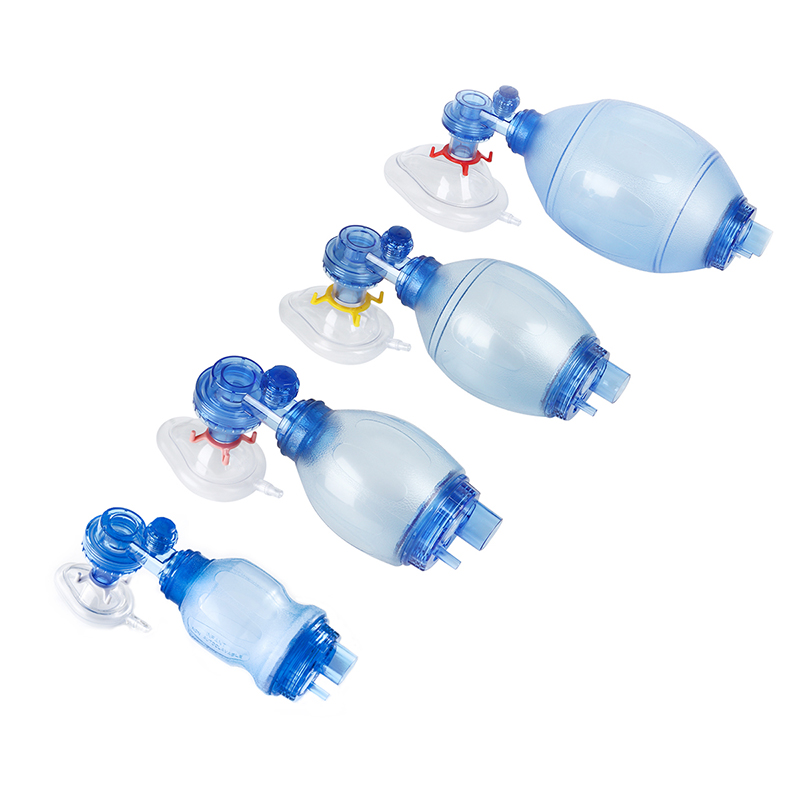
Disposable medical devices use PVC construction. Manufacturers seal each unit for one patient, then discard it after use. This design removes reprocessing steps entirely. A disposable manual resuscitator arrives sterile and ready to connect. Clinicians grab it, ventilate the patient, and dispose of it.
Disposable medical devices now represent the majority of the BVM market. Hospitals favor them for code carts, isolation rooms, and emergency departments. The single-use model also suits field EMS, where a manual ventilator bag may sit unused for weeks before one call.
Reusable medical devices rely on silicone components. Staff disassemble the bag, valves, and mask after each patient. They then clean, disinfect, and reassemble the unit for the next case. Silicone withstands repeated cycles better than PVC.
Regulators classify these products as semi-critical reprocessed devices. They contact mucous membranes but not sterile tissue. Decontamination must remove visible bioburden and achieve high-level disinfection. That process kills vegetative bacteria but not all spores. FDA guidance calls for a reduction of 6 log10 in colony forming units plus overkill. A reusable manual resuscitator therefore demands strict protocol adherence. Skipped steps create real infection risk.
|
Feature |
Disposable |
Reusable |
|---|---|---|
|
Material |
PVC |
Silicone |
|
Use |
Single patient |
Multiple patients |
|
Reprocessing |
None |
Full disinfection cycle |
Both resuscitator types meet clinical performance standards. The choice depends on workflow, budget, and infection control capacity.
The choice between disposable vs. reusable bvm devices carries significant infection control implications. Many clinicians express unease about reusing a BVM that has contacted a patient's airway. This concern is not theoretical. Real-world data reveals measurable risks.
The psychological factor matters. Many clinicians recoil at the idea of reusing a resuscitator that has been in another patient's airway. This instinct reflects a real risk. Reusable medical devices demand meticulous reprocessing after each patient encounter. The resuscitation bag disassembles into several parts: the mask, the bag itself, the patient valve, and the intake valve. Each component can trap secretions. Failure to separate every piece during cleaning leaves biological material that supports pathogen growth.
Research from intensive care units documents the consequence of inadequate disinfection. The frequency of cleaning directly correlates with infection rates:
A manual resuscitator cleaned twice as often cuts infection incidence substantially. Yet even the stricter schedule does not achieve zero risk. The data underscores a critical point: a reusable manual resuscitator is only as safe as the reprocessing protocol that supports it. Facilities must train staff thoroughly and audit compliance regularly. Any lapse in the workflow compromises patient safety.
Disposable medical devices sidestep these challenges entirely. Each unit rests in sterile packaging until the moment of use. Clinicians open the sealed bag, connect the oxygen source, and ventilate the patient. After use, they discard the entire assembly. No reprocessing occurs. No opportunity for residual contamination exists.
Disposable medical devices suit infection-prone environments particularly well. Isolation rooms for tuberculosis or COVID-19 demand strict barrier precautions. A single-use manual resuscitator eliminates the need to transport contaminated equipment through clean corridors. Field emergencies present similar logic. An EMS crew using disposable models discards the unit at the scene. The ambulance returns to service without a contaminated item on board.
For settings without sterilization equipment, single-use units offer the only practical path to sterile ventilation. The guarantee of a clean device at every use outweighs other considerations when infection risk is high. Clinicians can focus on the resuscitation itself rather than on the cleaning schedule of their resuscitator.
Budget structure separates these two product families more sharply than any other factor. A reusable unit demands capital outlay at purchase. A disposable unit spreads its cost across every patient encounter. The disposable vs. reusable bvm devices decision therefore hinges on volume.
A basic reusable manual resuscitator carries a list price above $200 at many distributors. That figure covers the bag, valves, and mask as a complete set. Buyers who purchase in bulk can lower the per-unit figure substantially. Xiamen Tianzuo Medical Co., Ltd. offers a reusable silicone manual resuscitator at a price as low as $3.50 per piece on a 240-piece order. Reference FOB pricing for a silicone ambu bag manual resuscitator runs US$9.33–11.40 per piece at a 480-piece minimum. A high-quality silicone resuscitator lists at US$9.48–11.92 per piece under the same terms.
|
Product |
Supplier |
Min Order |
Price |
|---|---|---|---|
|
Reusable Silicone Manual Resuscitator Ambu Bag |
Xiamen Tianzuo Medical Co., Ltd. |
240 pieces |
$3.50–$3.90 |
|
Silicone Ambu Bag Manual Resuscitator |
— |
480 pieces |
US$9.33–11.40 |
|
High-Quality Silicone Manual Resuscitator |
— |
480 pieces |
US$9.48–11.92 |
Disposable medical devices require no capital investment. A facility buys them as consumables and pays per unit. Each disposable manual resuscitator is used once and discarded. The recurring expense accumulates with patient volume. A low-volume clinic may spend less on disposables in a year than on a single reusable resuscitator. A busy emergency department tells a different story. Its annual disposable spend can dwarf the price of a reusable set many times over.
Total cost of ownership clarifies the trade-off. Calculate total cost of ownership as purchase price plus reprocessing costs (labor, disinfectant, equipment) for reusable units, or as per-unit price multiplied by annual usage for disposables. High volume favors the reusable resuscitator. Low volume favors the disposable. Sterilization labor and supply costs belong in the reusable column. Waste disposal and storage belong in the disposable column. Cost efficiency therefore depends on local conditions, not on a universal rule. Environmental benefits also tilt toward reusable models in high-volume settings, since they generate less plastic waste per patient.
The convenience of a manual resuscitator shapes its role in daily clinical operations. Disposable medical devices offer immediate availability. Reusable medical devices demand a structured reprocessing cycle. The choice between the two directly impacts staff time and patient readiness. Bag-Valve-Mask (BVM) resuscitators must fit seamlessly into existing workflows. A mismatch between device type and operational tempo creates delays that compromise patient care.
A Disposable BVM Resuscitator sits sealed in sterile packaging until needed. Clinicians grab the unit, tear open the bag, and connect the oxygen source. No inspection for prior damage occurs. No verification of cleaning status is required. A manual resuscitator that requires no preparation time supports faster initiation of ventilation. The single-use design eliminates the mental step of confirming readiness. The package integrity itself ensures sterility. For low-volume users, the disposable model avoids the burden of managing a reprocessing queue. The unit arrives sterile and ready at every patient encounter. This simplicity benefits EMS crews responding to a cardiac arrest call. It also suits rapid response teams in hospital hallways where every second matters. A resuscitator that requires no preparation supports faster initiation of ventilation. The clinician focuses entirely on the patient, not on equipment logistics.
A Reusable BVM follows a different path after each use. The resuscitator must enter a decontamination workflow. Staff disassemble the bag, valve components, and mask. They remove visible soil under running water. They submerge parts in disinfectant solution for the required contact time. They rinse, dry, and reassemble the unit. A manual resuscitator designed for multiple uses must undergo this cycle after each patient. The entire process consumes valuable time. High-turnover settings like busy emergency departments struggle to maintain an adequate inventory of ready units. A facility may need three to five reusable manual resuscitator sets to sustain continuous operations. A single resuscitator cannot support back-to-back resuscitations without a spare. The reprocessing burden grows with patient volume. Sterilization staff must track each serial number. They must verify that every component returned to service meets cleaning standards. The system works reliably only with dedicated personnel and clear protocols. For facilities without a central sterile processing department, the reusable path introduces unacceptable delays. The resuscitator that moves through reprocessing quickly still requires attentive handling. The decision rests on whether a facility can sustain that workflow consistently.
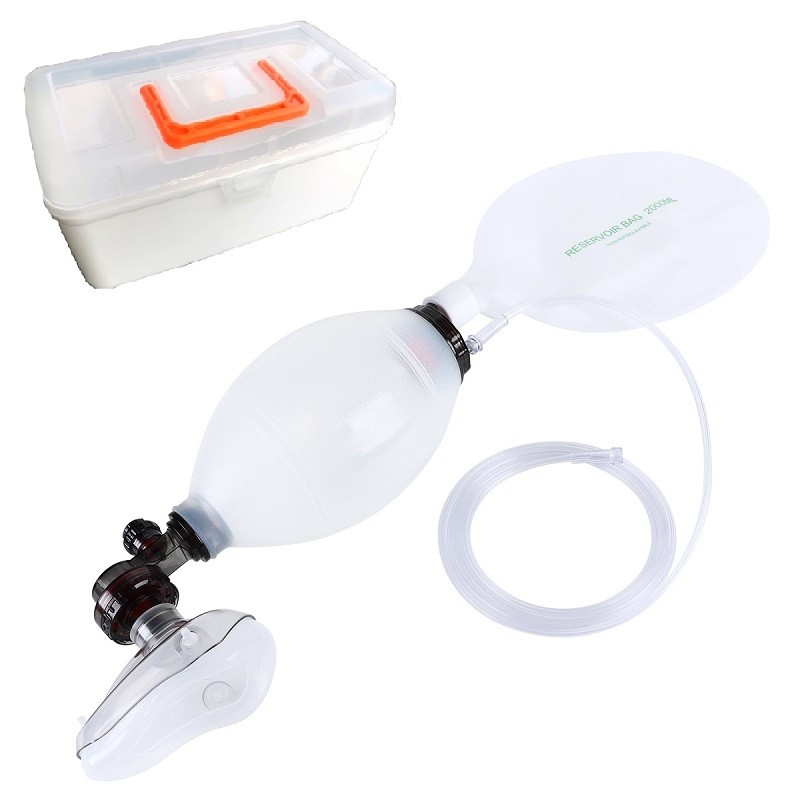
Both device types must satisfy the same clinical benchmarks. ISO 10651-4 defines the core performance requirements for a manual resuscitator. These standards apply equally to disposable and reusable models.
A resuscitator that fails these thresholds cannot support effective ventilation. Clinicians depend on consistent performance during cpr and other critical events.
Silicone construction gives the reusable manual resuscitator a durability advantage. The material resists cracking and deformation across repeated sterilization cycles. A Reusable BVM therefore maintains its mask seal over a longer service life. PVC used in disposable medical devices holds an adequate seal for a single encounter. That single-use design eliminates the wear that accumulates on reusable units.
Mask seal quality directly affects ventilation efficiency. A loose seal allows oxygen to escape and reduces delivered tidal volume. Bag-Valve-Mask (BVM) resuscitators with firm, well-fitting masks compensate for this risk. Clinicians should verify seal integrity before every use, regardless of device type.
Valve function determines whether a resuscitator delivers breaths reliably. The patient valve and intake valve must open and close without sticking. A Disposable BVM Resuscitator arrives with factory-tested valves. No prior sterilization has altered the components. This factory-fresh condition supports consistent performance.
Reusable valves face a different reality. Repeated disinfection cycles can degrade valve materials over time. Small cracks or stiffness may develop after many reprocessing rounds. These changes compromise patient safety during emergency ventilation. Facilities should test reusable valves regularly and replace worn components promptly. A manual resuscitator with a faulty valve cannot deliver the pressure drop limits required by ISO 10651-4. Regular inspection protects both device function and patient outcomes.
Choose a disposable manual resuscitator when infection control is critical, usage is sporadic, or sterilization equipment is unavailable. Choose a reusable manual resuscitator for high-volume settings with dedicated reprocessing capabilities. This decision framework simplifies the disposable vs. reusable bvm devices comparison into three questions: Does your facility have sterilization equipment? Is patient volume high enough to justify the capital cost? Do isolation protocols demand single-use devices? A reusable resuscitator from Tianzuo Medical suits busy hospital departments. A disposable model fits field EMS and isolation rooms. Evaluate your facility's specific workflow, budget, and safety protocols carefully before selecting a manual resuscitator.
Research links cleaning frequency to infection rates. BVMs disinfected every 3 days showed 28.33% ventilator-associated pneumonia incidence. A 7-day schedule showed 48.33%. Follow your facility's protocol strictly.
Calculate total cost of ownership as purchase price plus reprocessing costs for reusable units. For disposables, multiply per-unit price by annual usage. High volume favors a reusable manual resuscitator. Low volume favors disposable models.
No. A Disposable BVM Resuscitator is designed for single-patient use. Reusing it risks cross-contamination and compromises sterility. Discard the unit after one encounter.
A disposable manual resuscitator suits field use. Crews discard the unit at the scene. No contaminated equipment returns to the ambulance. A reusable BVM requires reprocessing equipment that field crews lack.
ISO 10651-4 defines core requirements. Both types must deliver at least 35% oxygen with a 15 L/min flow. Inspiratory resistance must not exceed 5 cm H₂O. A manual resuscitator that fails these thresholds cannot support effective ventilation.

 IPv6 network supported


 English
 فارسی
فارسی français
 Deutsch
 русский
 italiano
 español
 português
 العربية
 Türkçe