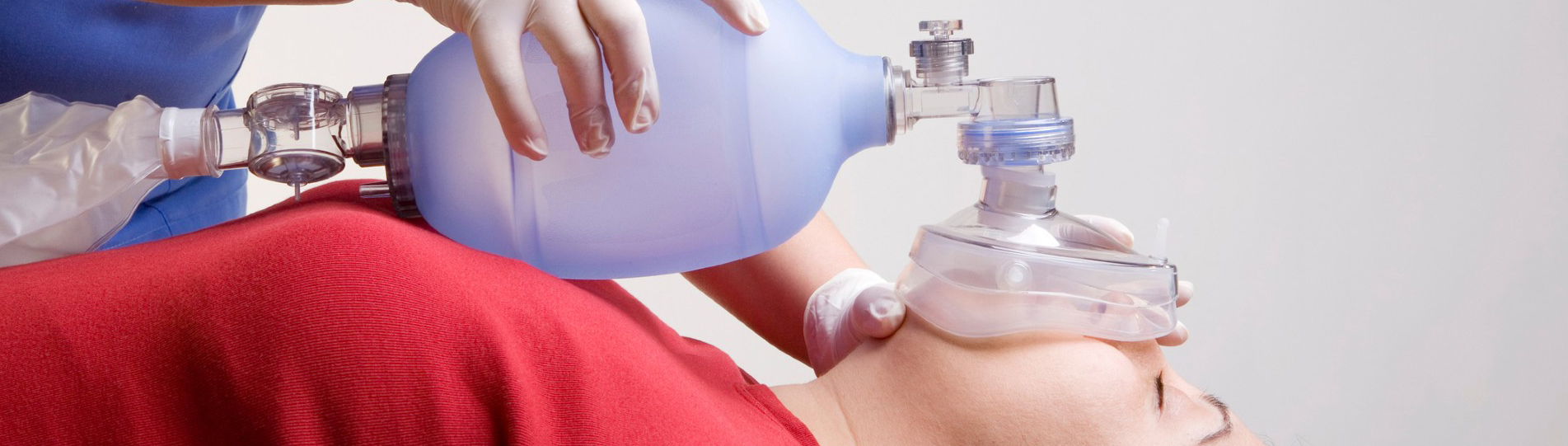

In an emergency, you grab an adult bag valve mask (Bag-Valve-Mask (BVM) Resuscitator) for airway management but hesitate on sizing. Poor bag-valve-mask ventilation follows–a study found 69.3% of patients develop gastric insufflation during prehospital resuscitation. This emergency requires accuracy. The most important factor is matching the mask seal and bag volume to the patient's anatomy, not age alone. This guide helps you choose right bvm size for adult, pediatric, and infant patients. It uses evidence-based ventilation and oxygenation targets. Reliable color-coded kits from Tianzuo Medical are a life saving device for quick decision-making in resuscitative care. You will leave with a clear mental checklist.
Adult sizing centers on two critical decisions: mask fit and bag volume. You must choose the right BVM size based on the patient's anatomy, not their age or weight alone. Most adults require a mask in size 4 or 5. A size 4 mask fits average adult faces, while a size 5 accommodates larger facial structures. You should select the mask that creates an effective mask seal without excessive pressure on the bony prominences of the face.
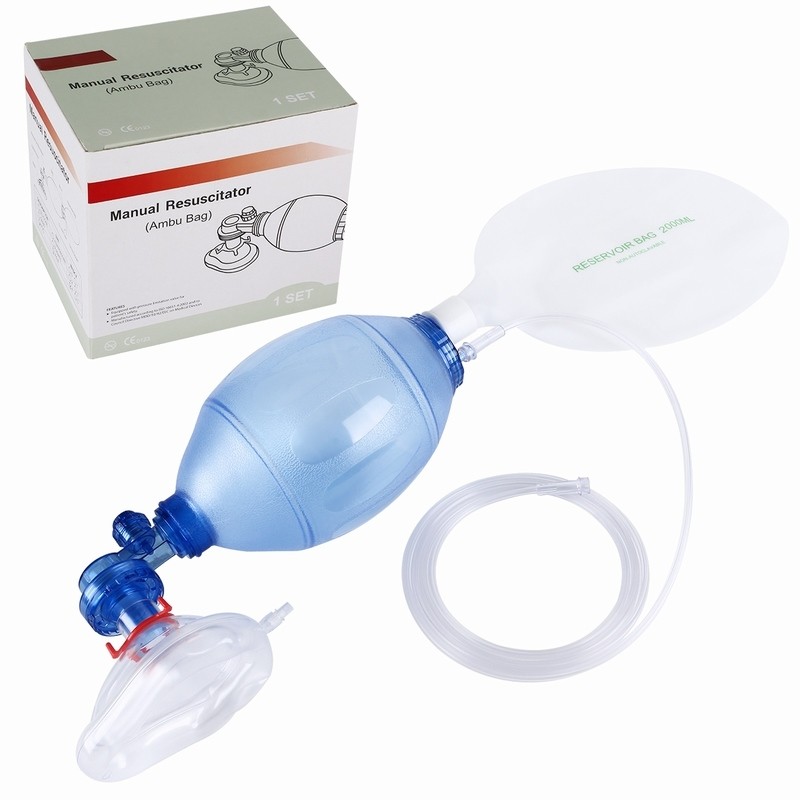
The mask seal determines ventilation success more than any other factor. You can verify the seal by observing chest rise with each breath. Tianzuo Medical's adult bvm kits include a transparent mask that lets you visualize proper positioning and confirm the seal without lifting the mask. This visual confirmation proves invaluable during resuscitation efforts.
Proper positioning starts with the head-tilt-chin-lift maneuver to open the airway. You place the mask over the patient's mouth and nose, with the narrow portion resting on the nasal bridge. The wider portion sits between the lower lip and chin. Your thumb and index finger form a "C" shape on the mask, while your remaining fingers lift the jaw into the mask. This technique creates an effective mask seal while maintaining proper positioning throughout the ventilation cycle.
Adult bvm bags typically hold 1500 mL, but you rarely deliver the entire volume. The target tidal volume for adult BVM ventilation is 6–8 mL/kg of ideal body weight (IBW), calculated using patient height. For example, an average adult male (5'9") would receive 424–547 mL per breath, while an average adult female (5'4") would receive 328–438 mL per breath. An acceptable tidal range of 5–8 mL/kg applies to most patients during resuscitation, though the 6–8 mL/kg target provides more specific guidance for BVM use.
You must deliver only a partial squeeze of the 1500 mL bag to achieve these tidal volumes. A full squeeze would deliver far more air than the patient needs, risking gastric insufflation and barotrauma. Tianzuo Medical's adult bvm includes a pop-off valve that releases excess pressure, adding a safety layer during emergency ventilation.
The two-person technique provides the most effective ventilation for adults. One rescuer holds the mask with both hands, using the thenar eminence to maintain a secure seal. The second rescuer squeezes the bag slowly over one second, watching for chest rise. This approach delivers better tidal volumes than a single rescuer attempting both tasks. You can use the one-hand technique when only one rescuer responds, but you must accept the increased risk of mask leak and reduced tidal delivery.
Practice with your adult bvm equipment builds the muscle memory needed for rapid, accurate response. You should know exactly how much squeeze delivers the target tidal volume for an average-sized adult patient. This preparation transforms a bag valve mask from a simple tool into a precision instrument for airway management.
Pediatric patients present a unique challenge for bag-valve-mask ventilation. Their anatomy differs dramatically from an adult, and their lung compliance changes rapidly with age. You cannot rely on chronological age alone when you choose right bvm size for a child. Instead, you must assess chest size and estimated weight. A pediatric bvm bag typically holds 500–1000 mL, but the stroke volume you deliver matters far more than the bag's total capacity. The effective stroke volume ranges from 450–650 mL. This precision means a pediatric bvm can sometimes serve small adults when you need tighter tidal volume control.
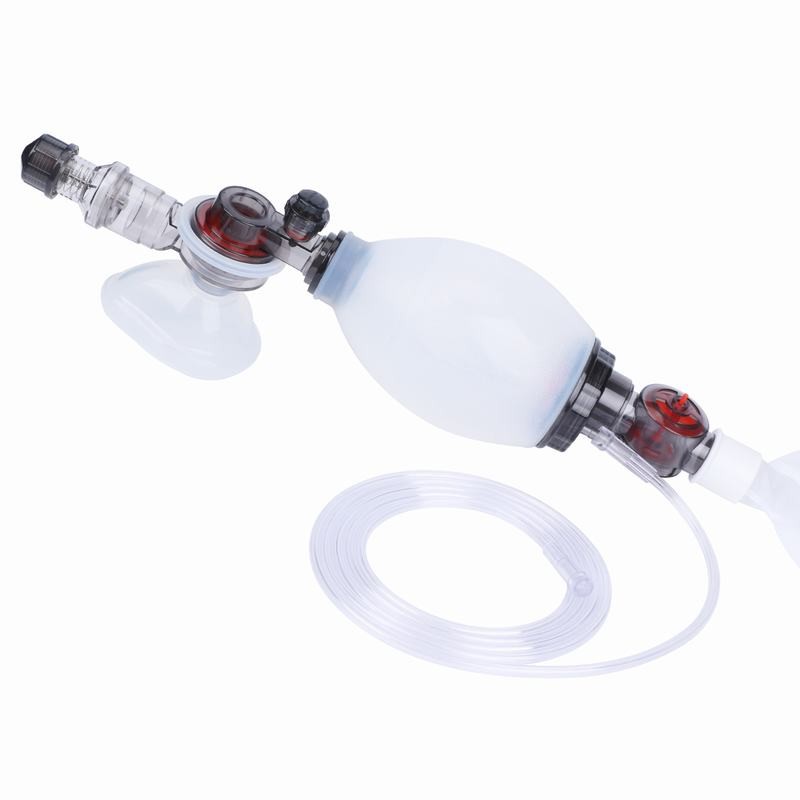
Mask selection drives successful ventilation in pediatric patients. You must match the mask to the child's facial anatomy, not their age label. The table below outlines recommended mask types based on typical weight and age:
|
Age group |
Typical weight (kg) |
Recommended mask type |
|---|---|---|
|
Term neonate |
3.5 |
Circular 0/1 |
|
< 12 months |
< 10 |
Rendell-Baker type #1 |
|
1 year |
10 |
Rendell-Baker type #2 |
|
2 years |
12 |
Rendell-Baker type #2 |
|
3 years |
14 |
Dome cuff mask #3 |
|
4 years |
16 |
Dome cuff mask #3 |
|
5 years |
18 |
Dome cuff mask #3 |
|
6 years |
20 |
Dome cuff mask #3 |
|
7 years |
22 |
Dome cuff mask #3 |
|
8 years |
25 |
Dome cuff mask #4 |
|
9 years |
28 |
Dome cuff mask #4 |
|
10 years |
30 |
Dome cuff mask #4 |
|
11 years |
35 |
Dome cuff mask #4 |
|
12 years |
40 |
Dome cuff mask #4 |
|
13 years |
45 |
Dome cuff mask #4 |
|
14 years |
50 |
Dome cuff mask #4 |
|
15 years |
55 |
Dome cuff mask #4 |
|
16 years |
60 |
Dome cuff mask #4 |
You should use a child mask (size 3) for most children between three and seven years old. An infant mask (size 2) fits toddlers aged one to two years. Always verify the mask covers the mouth and nose without pressing on the eyes. Proper positioning of the mask prevents airway obstruction and gastric insufflation.
Pediatric tidal volume targets follow the same weight-based formula as adults. You aim for 6–8 mL/kg of ideal body weight. For a 10 kg child, that translates to 60–80 mL per breath. A 20 kg child needs 120–160 mL. These numbers fall well below the total capacity of a 500 mL pediatric bvm bag. You must deliver a partial squeeze and watch for chest rise with each breath.
Over-ventilation poses a serious risk for pediatric patients. Excessive tidal volume forces air into the stomach, causing gastric insufflation. This complication can elevate the diaphragm and restrict lung expansion. You should use a pressure-limiting valve whenever available. Tianzuo Medical's pediatric kits include a 500 mL bag with a 40 cmH2O pressure-limiting valve. This safety feature prevents barotrauma during bag-valve-mask ventilation.
The two-person technique works best for pediatric patients as well. One rescuer maintains the mask seal with both hands. The second rescuer delivers the breath slowly over one second. This approach ensures you achieve adequate tidal volume without excessive pressure. You should re-assess chest rise after every breath and adjust your squeeze accordingly.
Remember that pediatric patients have higher metabolic demands and lower functional residual capacity. They desaturate faster than adults during apnea. You must act quickly and efficiently. Practice with your pediatric bvm equipment builds the muscle memory you need. Know exactly how much squeeze delivers the target tidal volume for common pediatric weights. This preparation transforms your response from hesitation to confident action in any emergency.
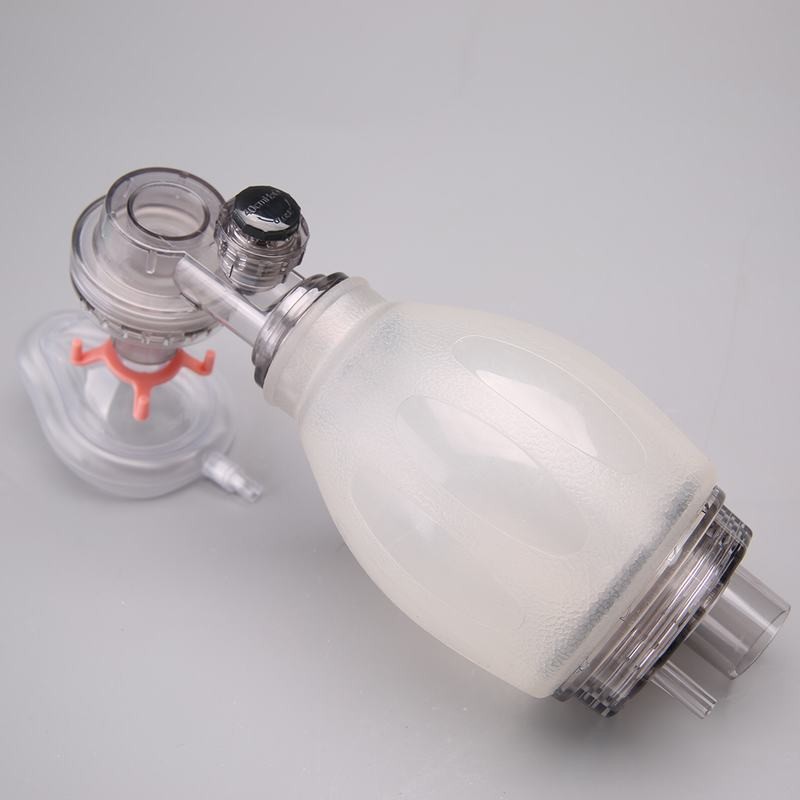
Infant ventilation demands the highest precision in emergency airway management. A standard infant bvm bag holds 250 mL, a volume designed specifically for newborns and small neonates. The mask size becomes the critical decision point. You must select a size 1 or size 0 mask to avoid covering the infant's eyes or applying pressure to the trachea. An oversized mask creates dangerous leaks and risks soft tissue injury. A properly fitted mask rests gently on the face, covering only the mouth and nose.
The target tidal volume for infants under one year follows a distinct formula. You deliver 20–30 mL per kilogram of body weight during bag valve mask ventilation. For a 3 kg infant, this calculation produces a target tidal volume of 60–90 mL per breath. This range falls far below the 250 mL total capacity of the bag. You must deliver only a partial squeeze to achieve these numbers. A full compression would overwhelm the infant's lungs and cause gastric insufflation.
The mask fit determines whether you can deliver this precise tidal volume effectively. You should position the mask with the narrow portion over the nasal bridge. The wider portion rests between the lower lip and chin. Verify the mask does not press on the eyes or obstruct the nostrils. An effective mask seal prevents air from escaping around the edges. You can confirm proper positioning by observing gentle chest rise with each breath.
Many infant bvm kits include a pressure-limiting valve set to 35–40 cmH2O. This safety feature releases excess pressure automatically. You should use this valve whenever available. It provides an additional layer of protection against barotrauma during resuscitation. Tianzuo Medical offers a dedicated infant bvm with a 250 mL bag and a transparent, anatomically shaped mask. The transparent design lets you visualize the infant's mouth and nose during ventilation, confirming the airway remains patent throughout the procedure.
The two-person technique works best for infant ventilation, just as it does for adult and pediatric patients. One rescuer holds the mask while the second delivers the breath. The mask-holding technique differs significantly from adult ventilation. You should use the "two-thumb" or "thenar eminence" method for infants. Place both thumbs along the sides of the mask. Your remaining fingers lift the jaw gently into the mask. This approach creates an effective mask seal without excessive pressure on the delicate facial bones.
You must deliver each breath slowly over one second. Watch for chest rise as your indicator of adequate ventilation. If the chest does not rise, re-position the mask and try again. Do not increase the squeeze force. The problem likely stems from poor positioning rather than insufficient volume. Re-assess the airway and adjust your technique before attempting another breath.
Infants desaturate rapidly during apnea due to their high metabolic rate and low functional residual capacity. You cannot afford hesitation or repeated failed attempts. Practice with your infant bvm equipment builds the muscle memory required for rapid response. Know exactly how much squeeze delivers the target tidal volume for common infant weights. A 3 kg newborn needs 60–90 mL. A 5 kg infant needs 100–150 mL. This preparation transforms your response from uncertainty to confident action when every second counts.
The proper positioning of the infant's head also plays a crucial role. Place the infant in a neutral sniffing position. Avoid hyperextension or flexion of the neck, as both can obstruct the airway. The occiput of an infant naturally elevates the head. You may need a small shoulder roll to maintain the optimal position. This attention to detail ensures your ventilation efforts succeed without complications.
You now hold the complete sizing framework. Remember the benchmarks: 1500 mL for adults, 500 mL for pediatric patients, and 250 mL for infants. Patient anatomy, not chronological age, drives your final selection. Proper mask positioning, ventilation rate, and tidal volume matter as much as the equipment itself.
Practice physically with each Bag-Valve-Mask (BVM) Resuscitator size to build muscle memory. Audit your emergency kits. Confirm all three sizes remain present and easily identifiable. Master this skill, and you deliver effective oxygenation during resuscitation. Choosing the right BVM size transforms hesitation into confident action. Your preparation saves lives.
Select a size 4 mask for an average adult patient. Verify the seal by watching chest rise during each breath. Avoid pressing on the eyes or bony facial structures.
Yes. A pediatric bvm delivers 450-650 mL stroke volume. This matches the needs of small adults. You avoid over-ventilation when precise volume control matters.
Pediatric patients have compliant lungs and need small tidal volumes. A 40 cmH2O pressure-limiting valve prevents barotrauma during emergency ventilation.
Place the infant in a neutral sniffing position. Avoid hyperextension or flexion of the neck. This maintains a patent airway during bag-valve-mask ventilation.

 IPv6 network supported


 English
 فارسی
فارسی français
 Deutsch
 русский
 italiano
 español
 português
 العربية
 Türkçe