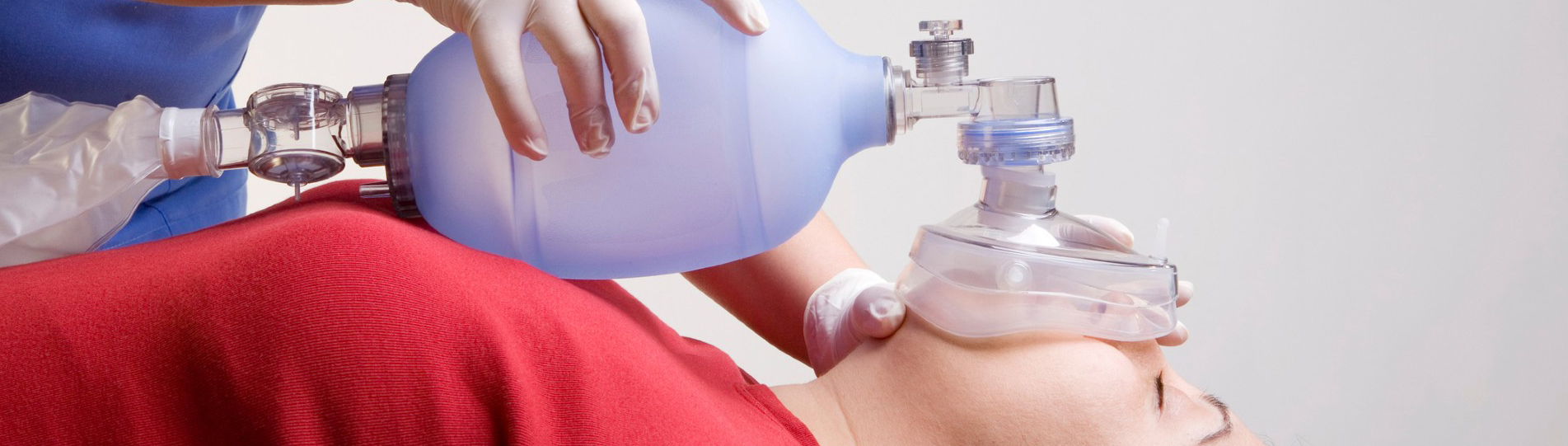

Choosing the right anesthesia mask is a critical clinical decision. It directly affects ventilation quality, seal performance, and patient safety. A poor fit can cause leaks, reduce oxygen delivery, and place the patient at risk.
Anesthesiologists and other anesthesia providers must evaluate each patient carefully. Facial anatomy, airway risk, and the planned procedure all shape the ideal face mask choice. A systematic, evidence-based approach lowers leakage risk and improves outcomes.
Practical standards guide this process. Seal testing, dead space minimization, and material selection form the foundation of sound mask selection. These principles help you protect every patient under your care.
Selecting the right anesthesia mask begins with a thorough evaluation of your individual. No two people present identical anatomy or airway characteristics. You must consider age, facial structure, body habitus, and clinical history before reaching for a mask. This person-first approach directly determines seal quality, ventilation efficiency, and overall safety during every procedure.
Pediatric, adult, and geriatric individuals each require distinct mask sizing strategies. Children need clear, nonlatex masks that allow you to observe lip color and secretions during procedures. PVC-free anesthesia masks meet this requirement while eliminating latex allergy concerns. Their facial features are smaller and more delicate, demanding a mask with a soft, low-profile cushion for atraumatic contact. Adult masks span a wider size range from small to large, accommodating significant variation in facial structure. Geriatric individuals often present sunken cheeks from edentulousness or age-related fat loss, making seal maintenance more challenging than with younger adults.
Position yourself behind the person's head when sizing the mask. Choose a mask that spans from the nasal bridge to the chin crease, keeping both lips enclosed. An oversized or undersized mask fails to create a proper seal, making mask ventilation difficult. Because gas travels along the path of least resistance, a well-sealed mask channels gas into the lungs and produces visible chest rise. A poorly fitting mask allows leaks and makes lung inflation harder.
Poorly fitting face masks contribute to the escape of waste anesthetic gases into the operating room atmosphere. Select a properly sized mask and check it for a good, comfortable fit.
Comfort matters for your ability to maintain consistent hand positioning during prolonged procedures. A silicone anesthesia mask offers superior cushion softness and even pressure distribution, reducing the risk of facial nerve injury and improving the person's tolerance of the mask.
Airway risk factors significantly influence your mask selection. Evaluate each person for predictors of difficult mask ventilation (DMV) before choosing a mask.
Individual-related factors that influence mask ventilation success include age, obesity, facial hair, dentition, anatomical variations, and facial trauma. Inadequate mask seal is particularly likely in bearded and edentulous people. A disposable PVC anesthesia mask may suit straightforward cases, but challenging airways often require a higher-quality cushion for improved seal reliability.
The following mnemonics summarize key mask-relevant factors:
|
Mnemonic |
Component |
Factor |
|---|---|---|
|
ROMAN |
M |
Mask seal / Mallampati class III–IV |
|
ROMAN |
N |
No teeth (edentulousness) |
|
OBESE |
B |
Bearded |
|
OBESE |
E |
Edentulous |
For bearded people, choose a mask with a larger, more compliant cushion that can contour around facial hair. For edentulous people, maintaining dentures during mask ventilation often improves the seal. You may also use a nasopharyngeal airway to bypass an unreliable orofacial seal when direct mask ventilation proves difficult.
When a person reports past reactions to anesthesia, investigate thoroughly. A history of difficult mask ventilation or inadequate oxygen levels during previous procedures signals the need for careful preparation and potentially a different mask design. Monitor breathing pattern continuously throughout ventilation. Chronic respiratory conditions that produce breathing trouble, such as COPD or obstructive sleep apnea, demand a mask that delivers consistent tidal volumes without leak.
Monitor heart rate and other vital signs during mask ventilation. A well-sealed mask that delivers appropriate volumes stabilizes the person's physiology and confirms adequate ventilation.
As an anesthesia provider, you make the primary mask selection decision. Anesthesiologists and nurse anesthetists must apply this individualized logic every time they prepare for a case. Each patient requires careful consideration of their unique airway profile. Many patients benefit from a systematic review before the mask touches their face.
The anesthesia type and expected duration shape your mask choice. For short cases under sedation, a lightweight disposable PVC anesthesia mask often suffices. These cases demand quick setup and minimal dead space. You need reliable oxygen through the mask without the bulk of a heavy cushion.
General anesthesia for lengthy procedures changes the equation. You must maintain a tight seal for hours while the patient lies motionless. A silicone anesthesia mask with a soft, conformable cushion reduces facial pressure points during these extended cases. The material resists fatigue and keeps its shape better than cheaper alternatives.
Regional techniques with sedation occupy a middle ground. The patient breathes spontaneously, but you must be ready to assist ventilation at any moment. Choose a mask that seals well without requiring constant hand pressure. This preparation lets you respond quickly if the sedation deepens beyond the intended level.
Pediatric ventilation demands masks designed for smaller faces and lower tidal volumes. PVC-free anesthesia masks allow you to watch lip color and condensation during breathing. This observation provides real-time feedback on ventilation quality.
High-flow oxygen delivery requires a mask with an excellent seal. Any leak wastes gas and reduces the fraction delivered to the patient. Procedures needing tight leak control, such as those near the airway or with laser use, demand a mask that conforms precisely to facial contours.
Consider whether the patient needs a breathing tube later. If intubation is likely, select a mask that facilitates a smooth transition. The anesthesia provider must plan the entire airway sequence, not just the initial mask ventilation.
Different anesthesia options bring distinct mask requirements. General anesthesia with paralysis needs a mask that seals against a relaxed face. Spontaneous ventilation cases need a mask that accommodates jaw movement. Match the mask to the kind of procedure and the patient's expected level of consciousness.
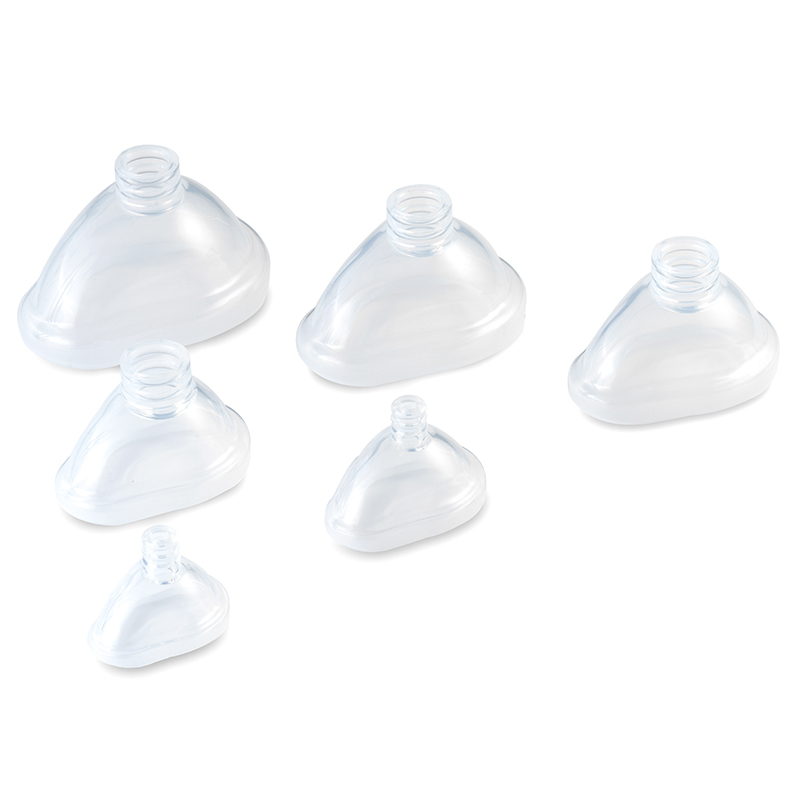
The key feature most clinicians seek is a mask that provides the best seal. A leak-tight fit ensures you deliver the intended tidal volume and oxygen concentration. Cushion design drives seal quality. A soft, compliant cushion contours to facial landmarks and fills gaps around the nasal bridge and chin. When you place the mask over your nose and mouth, the cushion should compress evenly without requiring excessive downward force.
Dead space matters just as much. Every mask holds a volume of exhaled gas that the patient rebreathes. Masks should contain the least volume possible. A low-dead-space design reduces carbon dioxide rebreathing and improves ventilation efficiency, especially in pediatric patients with small tidal volumes.
Material selection shapes seal, durability, and biocompatibility. Silicone and PVC dominate the market, and each offers distinct advantages.
|
Attribute |
Silicone |
PVC |
|---|---|---|
|
Biocompatibility |
High biocompatibility, less likely to cause tissue irritation or allergic reactions, safe for pediatric/neonatal applications |
May not offer the same level of inherent comfort, but advances in softer, more pliable compounds enhance patient comfort without compromising safety |
|
Durability |
Durable, designed for reuse after sterilization, offering long-term cost benefits |
Lower manufacturing cost, primarily used as disposable single-use devices to eliminate sterilization and reduce cross-contamination risks |
|
Seal Quality |
Forms a secure seal around the laryngeal inlet, minimizing air leakage and aspiration during anesthesia |
Does not provide the same flexibility and seal as silicone, though softer PVC compounds improve seal and patient comfort while maintaining efficacy |
A silicone anesthesia mask excels when you need a reliable seal for general anesthesia or prolonged cases. A PVC anesthesia mask suits short procedures and infection-control priorities. Disposable options eliminate reprocessing and reduce cross-contamination risk. PVC-free anesthesia masks serve pediatric and latex-sensitive patients who need clear observation during breathing.
Tianzuo Medical designs masks that balance seal, low dead space, and material durability. Their portfolio supports diverse clinical settings, from routine sedation to complex airway management.
Mask shape must match facial contours. A mask that spans from the nasal bridge to the chin crease encloses both lips and creates a proper seal. An oversized or undersized face mask allows gas to escape along the path of least resistance. Choose a size that fits without covering the eyes or extending past the mandible.
Connectors determine compatibility with breathing circuits. ISO 5356 standardizes these fittings and prevents dangerous mismatches.
Additional connector sizes serve specialized roles. An 8.5 mm connector fits pediatric breathing systems. A 22 mm latching connector meets performance requirements for secure locking. A 23 mm connector serves vaporizers and must not enter breathing systems. A 30 mm connector links the breathing system to anesthetic gas scavenging.
Verify connector compatibility before every case. A mismatched fitting risks disconnection during ventilation. Check that the mask connector locks securely into the circuit. This simple step protects your patient and maintains consistent oxygen delivery.
Safety standards protect every patient under anesthesia care. Materials in breathing gas pathways, including anesthesia masks, fall under the ISO 10993 series for biocompatibility evaluation. ISO 10993-5 covers cytotoxicity testing, while ISO 10993-10 addresses sensitization. ISO 18562 specifically governs breathing gas pathways in healthcare applications, including facemasks and connectors. These standards require toxicological evaluation and material characterization to confirm patient safety.
Barrier protection follows ASTM Levels 1–3, which grade resistance to penetration by blood and body fluids. For respiratory protection, NIOSH-approved N95 respirators shield the anesthesia provider from airborne hazards. Fit testing with an indicator aerosol confirms leakage control. You must verify that your mask seals properly before every case. This step protects both you and your patients from exposure risks.
Comfort drives tolerance during mask ventilation. Cushion softness and even pressure distribution reduce facial nerve compression and skin breakdown. A silicone anesthesia mask offers superior conformability for extended cases. PVC-free anesthesia masks serve patients with latex allergies or sensitivity, delivering the safest experience without compromising seal quality.
Clinician hand fatigue matters during prolonged holding. An ergonomic mask design reduces the downward force you must apply. This improvement helps you maintain consistent seal pressure throughout general anesthesia. Monitor breathing and heart rate continuously using monitoring equipment. Your anesthesia care team should track these parameters to confirm adequate ventilation. A well-designed mask supports safer anesthesia by minimizing leaks and stabilizing oxygen delivery.
Tianzuo Medical commits to quality and safety standards in every mask they manufacture. Their products support anesthesiologists and the broader anesthesia care team with reliable performance. Proper monitoring of breathing and heart rate, combined with the right mask, creates safer anesthesia for every patient.
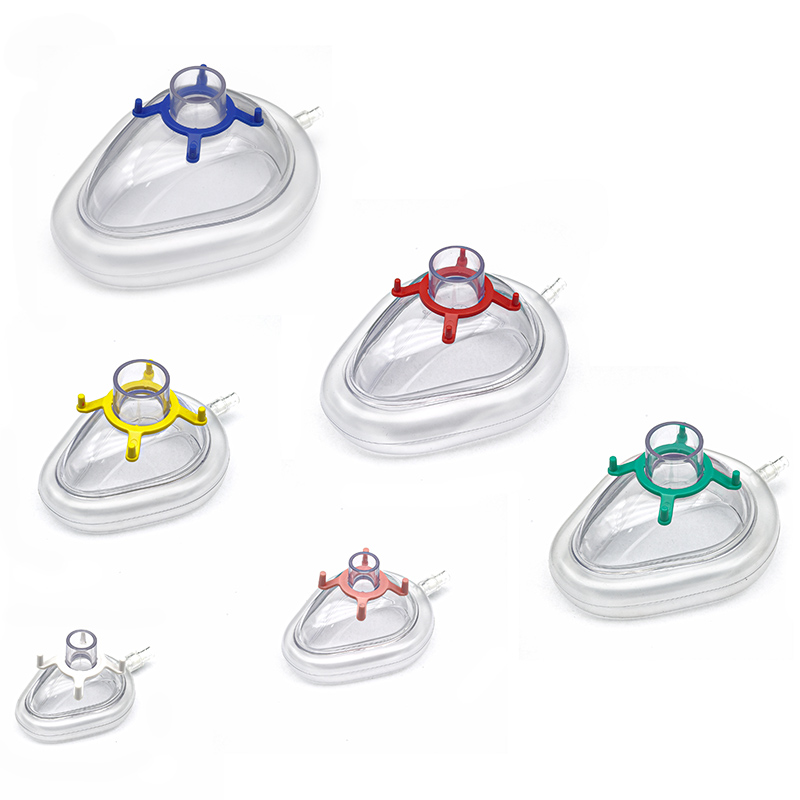
You can turn the four core criteria into a repeatable routine. Work through these steps before every case.
Assess the patient. Review age, facial anatomy, dentition, beard, BMI, and airway history. Note any past difficult mask ventilation.
Identify the types of anesthesia and the procedure. Confirm whether you need general anesthesia, sedation, or regional care with sedation. Estimate the duration.
Evaluate seal, material, and dead space. Choose a cushion that contours to the face. Select a silicone anesthesia mask for long cases or a PVC anesthesia mask for short, disposable use. Keep dead space minimal.
Confirm safety and comfort. Verify connector fit, check barrier protection, and test the seal. Consider a PVC-free anesthesia masks option for pediatric or latex-sensitive patients.
This sequence takes only a moment. It prevents rushed decisions and protects every patient.
Even experienced anesthesia providers make avoidable errors. Watch for these traps.
Anesthesiologists who follow this checklist select the right anesthesia mask with confidence. Review your current process today and integrate these steps into daily practice.
You now hold a practical framework for choosing the right anesthesia mask. Assess your patient first. Match the mask to the anesthesia type and procedure. Evaluate seal, material, and dead space. Confirm safety and comfort before every case. The step-by-step checklist turns these criteria into a repeatable routine. Apply it daily, and you reduce leaks, protect your patients, and strengthen your anesthesia care. For dependable masks, consider Tianzuo Medical as a trusted partner. Their designs support your entire anesthesia care team. Review your current selection process today and integrate these steps into practice.
Size the mask from the nasal bridge to the chin crease. It should enclose both lips without covering the eyes. Perform a seal test before ventilation. A proper fit produces visible chest rise and delivers the intended tidal volume without leaks.
Choose a silicone anesthesia mask for long procedures or difficult airways. Silicone offers superior cushion softness, durability, and seal reliability. A PVC anesthesia mask suits short cases and infection-control priorities. Disposable PVC options eliminate reprocessing and reduce cross-contamination risk.
Yes. Children need clear, nonlatex masks to allow observation of lip color and secretions. PVC-free anesthesia masks eliminate latex allergy concerns and provide the visibility you need during pediatric ventilation. Their soft, low-profile cushions also reduce pressure on delicate facial features.
Dead space is the volume of exhaled gas a mask holds. Patients rebreathe this gas, which raises carbon dioxide levels. Masks should contain the least volume possible. Low dead space improves ventilation efficiency, especially in pediatric patients with small tidal volumes.
Connectors must match your breathing circuit. The 15 mm connector is the standard patient-side fitting. The 22 mm connector is the standard machine-side fitting. Verify compatibility before every case. A mismatched fitting risks disconnection during ventilation and compromises patient safety.

 IPv6 network supported


 English
 فارسی
فارسی français
 Deutsch
 русский
 italiano
 español
 português
 العربية
 Türkçe