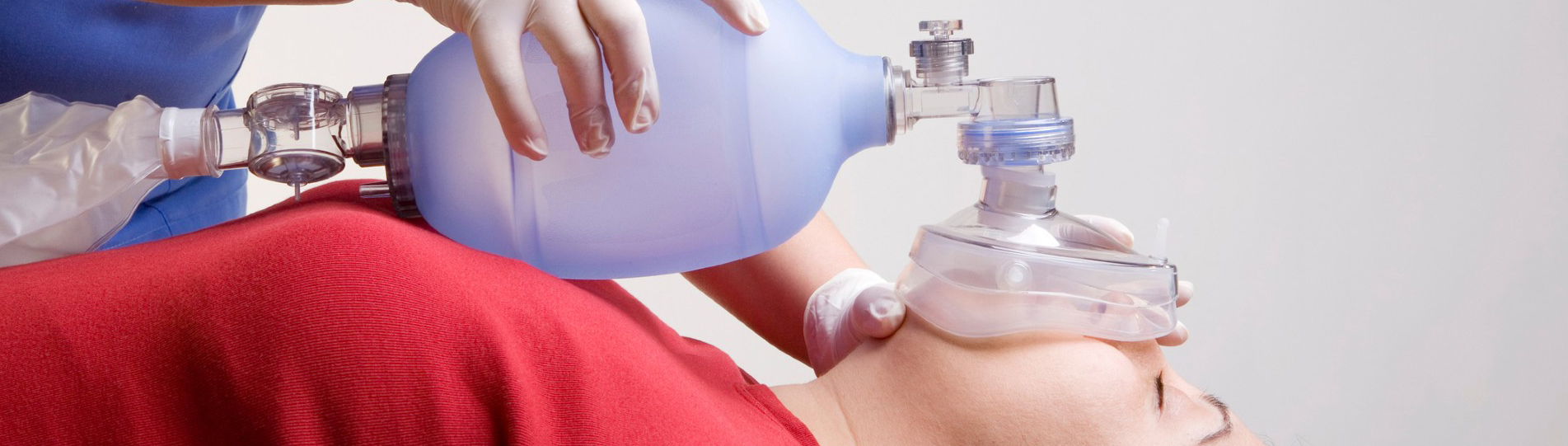

Anesthesia masks deliver oxygen and anesthetic gases to patients during procedures. Different types of anesthesia face masks serve varied clinical needs across healthcare settings. Common products include classic reusable, disposable, clear, ventilated, pediatric, and silicone designs. The types of anesthesia face masks differ by material, shape, and size for proper application. Scented options and BPA-free construction influence selection decisions. The different types of masks require careful evaluation by clinicians. These types of anesthesia face masks prioritize patient comfort and safety above all. Proper fit ensures effective gas delivery for the patient. Multiple types of anesthesia face masks support various clinical situations effectively. Selecting appropriate anesthesia masks improves overall care quality.
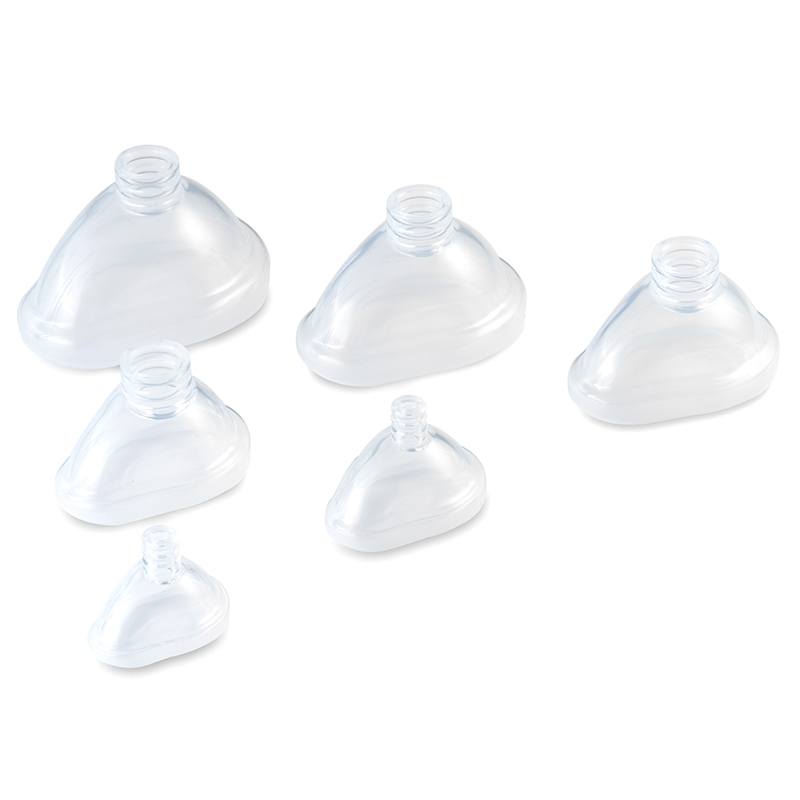
Classic reusable anesthesia masks remain essential in modern healthcare. These anesthesia face masks cover both the mouth and the nose of the patient. Manufacturers produce these anesthesia face masks from durable rubber or medical-grade silicone. Designers create these anesthesia face masks in sizes from pediatric to adult. This size range ensures a proper fit for every patient. Silicone offers flexibility and long service life. Many silicone options are BPA-free, reducing chemical exposure risks. Rubber versions provide a firm but comfortable fit as well. The anatomical shape follows facial contours for an effective seal. An effective seal enables the efficient delivery of anesthesia. Their anesthesia face masks feature patient-centered design elements. These specific types of anesthesia face masks withstand repeated sterilization cycles. Hospitals use the same reusable face mask across many procedures.
Materials determine the performance of these devices. Silicone provides flexibility without compromising strength. Rubber offers firm pressure for a tight seal. Both materials allow a comfortable fit for the patient. The design includes an anatomical shape that matches facial features. This shape minimizes gas leakage during use. Sizes range from small pediatric options to large adult versions. This variety ensures clinicians find the correct fit for every individual.
Clinicians use these types of anesthesia face masks for two primary purposes. The first application is pre-operative oxygenation. The second is general anesthetic delivery during procedures. Pre-oxygenation requires proper technique to ensure patient safety. The following table summarizes key pre-oxygenation guidelines.
|
Guideline Element |
Recommendation |
|---|---|
|
Preoxygenation requirement |
All patients require preoxygenation before induction of general anesthesia |
|
Oxygen concentration |
100% oxygen delivered via an appropriate flow into the breathing system |
|
Face-mask seal |
Maintain an effective seal during de-nitrogenation |
|
Target endpoint |
Continue until end-tidal oxygen fraction reaches 0.87–0.9 |
|
Positioning |
20–25° head-up position delays hypoxia onset, especially in obese patients |
|
Adjunct for high-risk patients |
Nasal cannulae oxygen in addition to standard preoxygenation and face-mask ventilation |
|
Apnoeic oxygenation |
Up to 15 L/min via nasal cannulae, or transnasal humidified high-flow oxygen (up to 70 L/min) |
|
Clinical rationale |
Preoxygenation extends safe apnea time from 1–2 min (room air) to up to 8 min |
These anesthesia face masks require a secure fit during pre-oxygenation. The anesthesia delivery system delivers 100% oxygen effectively. A proper seal maintains the de-nitrogenation process. The effective administration of anesthesia depends on this critical step. These anesthesia face masks also deliver anesthetic gases during the maintenance phase. This gas mixture reaches the airway through the same mask system. Durable construction supports repeated use across multiple procedures. Healthcare providers value the reliability of these established designs.
Disposable anesthesia masks offer a practical solution for modern clinical settings. These anesthesia face masks come in teardrop and round shapes. The teardrop design follows natural facial contours for a better fit. Round versions accommodate different patient anatomies as well. These anesthesia face masks provide significant infection control advantages. Single-use construction eliminates cross-contamination risks between patients. Healthcare facilities reduce sterilization requirements with these anesthesia face masks. This convenience saves time in busy hospital environments. These types of anesthesia face masks support efficient clinical workflows.
Manufacturers design these anesthesia face masks with patient comfort in mind. Transparent designs allow clinicians to monitor the patient for signs of distress. Visual observation helps detect respiratory difficulties. These anesthesia face masks also include soft cushion seals. The cushion improves fit and reduces pressure on the patient's face. A proper fit prevents gas leakage during ventilation. These anesthesia face masks support effective anesthesia delivery. The single-use nature of each disposable face mask guarantees hygiene standards. Clinicians discard each mask after one procedure. This practice aligns with strict infection control protocols. These types of anesthesia face masks suit patients with compromised immune systems. The patient receives a sterile product every time. This consistent safety standard protects vulnerable individuals. Transparent materials also enable the care team to watch for condensation patterns. This visual cue confirms proper mask function.
These anesthesia face masks function as oxygen delivery masks for pre-operative care. Clinicians use these oxygen delivery masks to provide high oxygen concentrations. These oxygen delivery masks must create a secure fit around the mouth and nose. This approach ensures efficient oxygenation during the pre-oxygenation phase. These oxygen delivery masks work alongside the pre-oxygenation guidelines. They deliver 100% oxygen to extend safe apnea time. These oxygen delivery masks support both adult and pediatric patients. Pediatric versions feature softer materials and smaller dimensions. These oxygen delivery masks assist during mask ventilation.
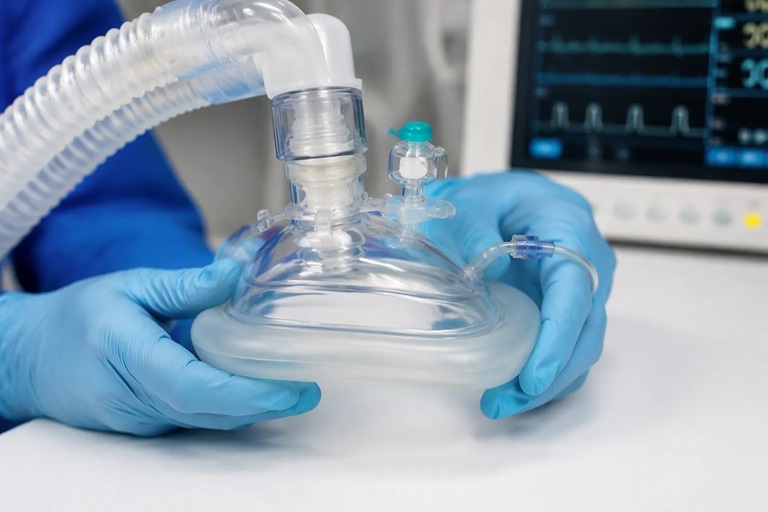
Ventilated anesthesia masks incorporate specialized ports or valves that support assisted ventilation. These anesthesia face masks allow clinicians to deliver positive pressure breaths when a patient cannot breathe adequately on their own. The design includes one or more connectors for attaching a breathing circuit or resuscitation bag. Some ventilated anesthesia face masks feature carbon dioxide monitoring ports for continuous capnography. This real-time feedback helps clinicians detect airway problems before oxygen levels drop. The additional functionality makes these anesthesia face masks valuable in critical situations.
Ventilated masks serve specific clinical scenarios where standard masks fall short. Clinicians select these anesthesia face masks when positive pressure ventilation becomes necessary. The following table outlines the primary indications for ventilated mask use.
|
Indication |
Rationale |
|---|---|
|
During rapid sequence induction after loss of consciousness |
Gentle mask ventilation reduces hypoxia before tracheal intubation |
|
Patients with reduced apnea time (infants, obese patients, pregnant women) |
Hypoxia during rapid sequence induction can reach 35.9% in these groups |
|
To prolong apnea time before intubation |
The 2015 Difficult Airway Society guideline recommends gentle mask ventilation during apnea |
|
When mask ventilation becomes necessary after IV anaesthetic drugs |
Supports ventilation and prevents airway obstruction |
|
Patients with sleep disordered breathing and obesity |
Two-handed mask ventilation restores efficiency when expiratory flow limitation reduces it |
|
Infants with micrognathia during inhalation induction |
Requires optimal techniques such as double C-E grip and jaw thrust |
|
As a rescue technique when other airway methods fail |
Mask ventilation serves as the cornerstone of difficult airway algorithms |
Carbon dioxide monitoring ports add another layer of safety during procedures. These features allow continuous EtCO2 sampling through the mask. Early detection of ventilatory problems such as oversedation, airway obstruction, or apnea becomes possible before oxygen desaturation occurs. The high FiO2 ceiling reaches up to 83% at 15 L/min, which reduces hypoxemia risk during sedation. An open mask design prevents exhaled CO2 from being trapped and rebreathing. This design also facilitates oral cavity access during dental or endoscopic procedures. Integrated oxygen delivery and EtCO2 monitoring in one device streamlines workflow and reduces setup time. Real-time capnography provides earlier warning than pulse oximetry, which acts as a lag indicator. Faster caregiver response reduces the severity of adverse events.
Pediatric anesthesia face masks require specialized design considerations. Smaller dimensions accommodate the facial anatomy of infants and children. Softer materials reduce pressure on delicate skin. Soft, biocompatible silicone is the preferred material for pediatric anesthesia masks. This material is soft, flexible, and gentle on newborn skin. It reduces skin irritation and provides a better facial seal. Latex-free formulations minimize allergic reactions and skin sensitivity in infants. These safer-material options protect the most vulnerable patients.
Silicone has become the preferred material for many anesthesia face masks. Its flexibility allows the mask to conform to facial contours. This property creates a reliable seal for the patient. Silicone also resists wear across repeated handling. These anesthesia face masks maintain their shape after many uses. The material stays soft against the skin. This softness improves comfort for the patient during long procedures. Silicone works well for patients with sensitive skin. The material does not contain latex proteins. This feature reduces allergic reaction risks. These types of anesthesia face masks suit a wide range of clinical settings.
Silicone offers clear advantages over rubber in clinical practice. The material is hypoallergenic and latex-free. This makes it suitable for patients with latex sensitivities or allergies. A patient with sensitive skin faces fewer irritation risks. Silicone also outperforms rubber in sterilization resistance. The following table compares these two materials.
|
Property |
LSR (Silicone) |
Latex (Rubber) |
|---|---|---|
|
Sterilization Resistance |
Excellent |
Poor |
|
Durability |
High |
Medium |
Silicone is generally hypoallergenic, making it suitable for patients with sensitive skin or allergies. This reduces the likelihood of allergic reactions or skin irritations.
Silicone anesthesia face masks withstand repeated sterilization cycles far better than rubber versions. This durability lowers replacement costs over time. These features make silicone a smart choice for busy clinical environments.
Clear anesthesia face masks represent another important category. A transparent dome allows continuous visual monitoring of the patient. Clinicians can observe lip color, breathing, and condensation inside the mask. This visibility supports safe ventilation during induction and recovery.
|
Mask Feature |
Clinical Benefit for Cyanosis Detection |
|---|---|
|
Clear, rigid transparent dome |
Enables continuous visual monitoring of the patient's lip color, breathing, and condensation, supporting safe ventilation |
|
Full face visibility through clear dome |
Allows clinicians to observe skin color, lip cyanosis, and condensation inside the mask, which is essential for safe monitoring during induction and recovery phases of anesthesia |
These different types of masks serve specific clinical needs.
The different types of anesthesia face masks serve specific clinical scenarios. Classic reusable anesthesia face masks provide durable performance for every patient. Disposable anesthesia face masks support infection control. Ventilated anesthesia face masks enable assisted ventilation. Silicone anesthesia face masks enhance patient comfort. Pediatric anesthesia face masks protect younger patients with soft pediatric materials. Patient safety depends on proper fit. These types of anesthesia face masks require careful size selection. Anesthesia masks match each patient's anatomy. The right fit supports efficient gas delivery. Healthcare providers evaluate anesthesia face masks for patient needs. Patient care improves with informed choices about anesthesia face masks.
Patient age, weight, and facial anatomy guide size selection. Clinicians match the mask to the patient's face for a secure seal. A proper fit prevents gas leakage during procedures. The right size ensures effective delivery of oxygen and anesthetic agents. Healthcare providers assess each patient individually before choosing from available anesthesia face masks.
Silicone offers flexibility and suits sensitive skin. Rubber provides firm pressure for a tight seal. Soft cushion materials reduce facial pressure during extended use. Latex-free options minimize allergic reaction risks. These features directly impact patient comfort levels. Clinicians select materials based on patient needs and procedure duration.
Disposable anesthesia face masks suit infection control priorities. Single-use designs eliminate cross-contamination between patients. Busy clinical environments benefit from reduced sterilization demands. Reusable options offer cost savings across many procedures. Facilities balance hygiene requirements with budget considerations. Both types of anesthesia face masks serve valid clinical purposes.
Clear designs allow visual monitoring of lip color and condensation. Clinicians detect distress signs early through transparent domes. These features enhance both comfort and safety. Healthcare teams select specialized anesthesia face masks based on patient needs.
Pediatric anesthesia face masks feature smaller dimensions and softer materials. They are often made of silicone, which is latex-free and reduces skin irritation. These design elements prioritize safety for younger patients. Clinicians maintain a range of sizes to match every pediatric patient.

 IPv6 network supported


 English
 فارسی
فارسی français
 Deutsch
 русский
 italiano
 español
 português
 العربية
 Türkçe