-
Protecting Poly-Traumatized Patients: Introducing the Adjustable Extrication Collar
Mar 17 , 2023
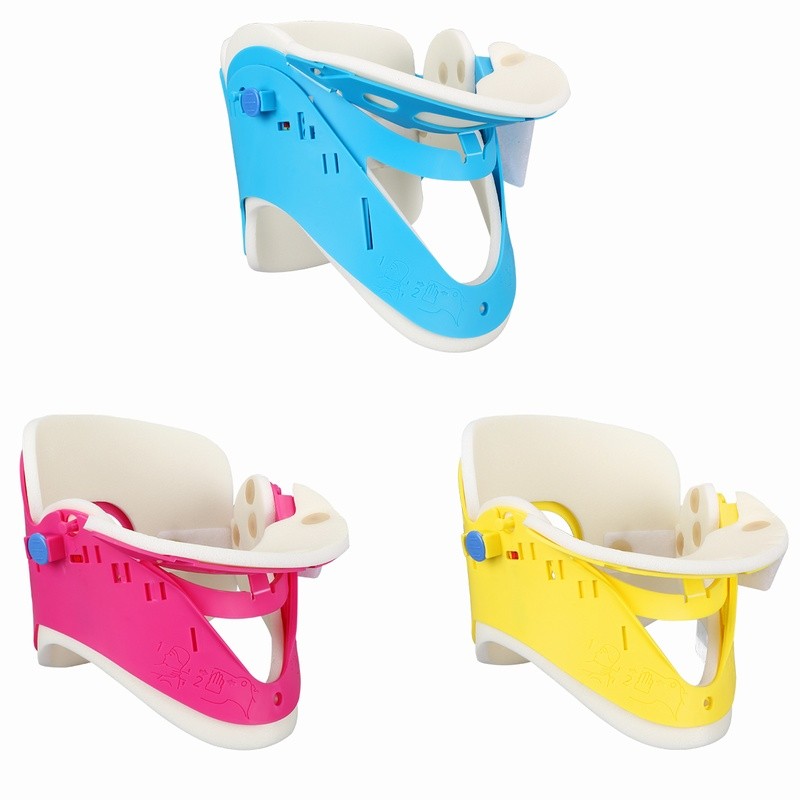
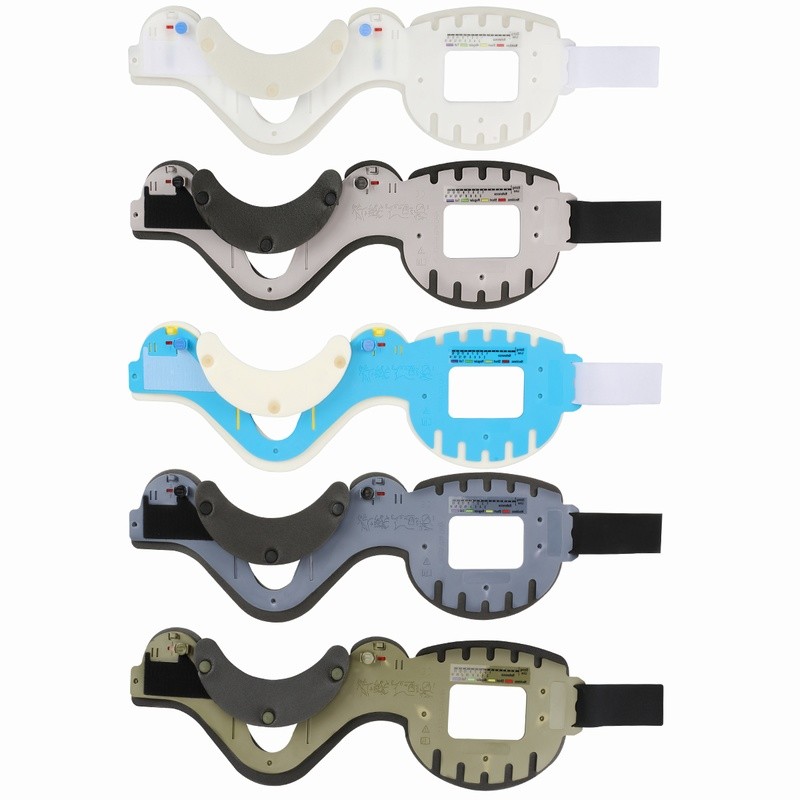
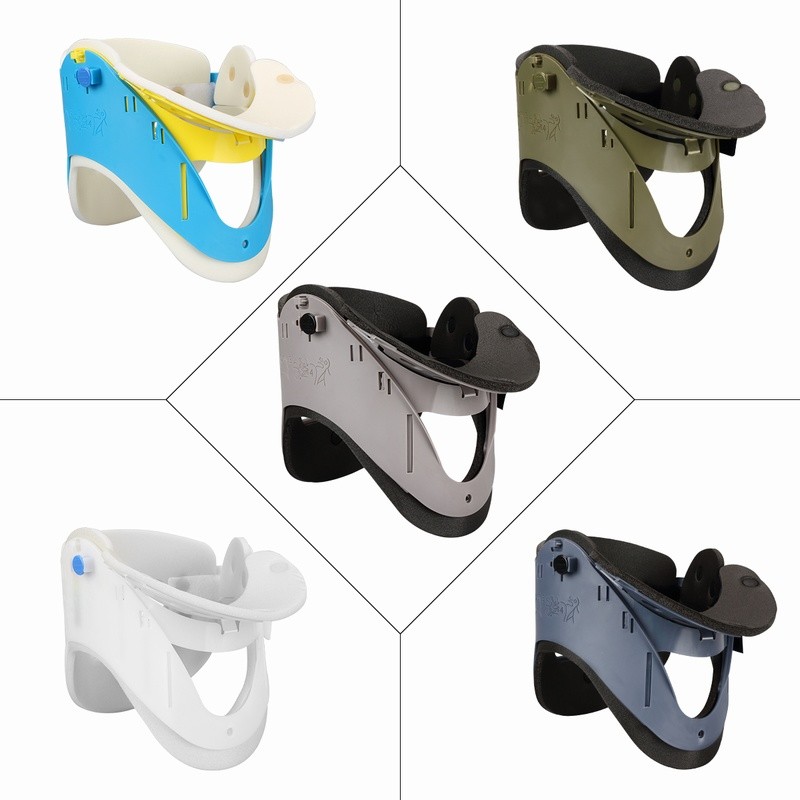
Welcome to our company's Adjustable Extrication Collar product page! Our collar is a vital medical device designed to protect the cervical spine of poly-traumatized patients during movement and transportation. The Adjustable Extrication Collar is specifically designed to prevent compression of the cervical rachis, which is crucial in the treatment and care of patients with multiple traumatic injur...
-
Revolutionize Your Medical Supply with Air Splints: The Ultimate Solution for Safe and Effective Immobilization
Mar 21 , 2023
Air splint, also known as inflatable splint, is a medical device used for immobilizing injured limbs or joints. It is designed to provide a stable and customizable support system for patients with fractures, sprains, or other types of injuries. Air splints are lightweight, portable, and easy to use, making them an ideal choice for emergency medical services, sports medicine, and other healthcare s...
-
The Advantages of Xiamen Winner's PVC-Free Anesthesia Masks for Safe and Reliable Medical Care
Jul 10 , 2023
Xiamen winner’ sPVC-free anesthesia masks have emerged as a breakthrough innovation in the field of medical care, providing numerous advantages over traditional PVC-based masks. These masks are designed to deliver anesthesia to patients during surgical procedures while minimizing the potential risks associated with PVC materials. With their advanced features and superior performance, PVC-free anes...
-
How to Size an Extrication Collar Correctly for an Adult?
Oct 15 , 2026
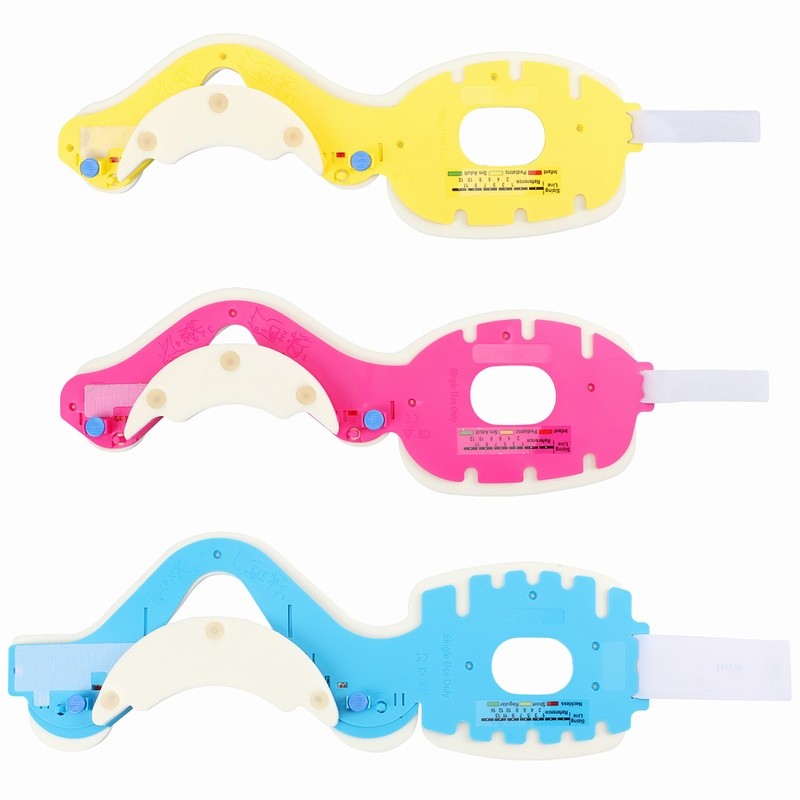
To size an extrication collar correctly for an adult, measure the vertical distance from the highest point of the trapezius muscle to the bottom of the chin. Match that measurement to the manufacturer's gauge. You must complete this measurement before applying any collar. Another rescuer must maintain manual in-line stabilization throughout the extrication process. Never release stabilization earl...
-
How to Properly Fit an Extrication Collar to a Patient?
Oct 15 , 2026
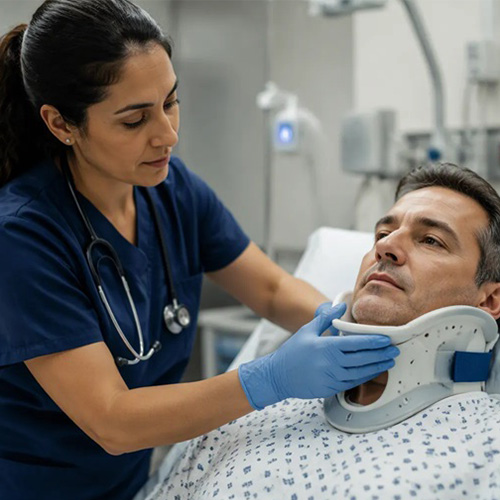
Fitting a cervical extrication collar correctly stands as a core skill for every first responder. Your actions directly influence spinal immobilization quality and patient recovery. A poorly fitted collar can compromise the airway, cause skin breakdown, or fail to stabilize the spine entirely. Research shows pressure injury rates range from 1.1% to 78.4% among trauma patients wearing these devices...
-
What Is an Extrication Collar and How Does It Work
Oct 22 , 2026
A car crash, a hard fall, a tackle gone wrong — in that moment, you may see a responder reach for a rigid device and fit it around the patient's neck. That device is an extrication collar, a one-piece brace that holds the head and neck still during rescue and transport. You will see extrication collars in prehospital care because they limit head and neck movement while crews lift, move, and load a...
-
When Is a Spinal Immobilization Collar Indicated for Use?
Oct 28 , 2026
A spinal immobilization collar is indicated after trauma when a patient has a known or suspected cervical spine injury, altered mental status, midline tenderness, focal neurologic deficits, distracting injuries, or penetrating trauma to the head, neck, or torso with neurologic complaints. The device may also help patients with spinal pain or tenderness, midline spinal tenderness, and signs consist...
-
Risks Associated With Improper Placement of a Cervical Collar
Oct 28 , 2026
A cervical collar protects the spinal cord only when someone places it correctly. The improper placement of a cervical collar turns a protective device into a hazard. Readers often ask about the potential harm of c collars, and the answer starts with five key risks: worsened spinal cord injury, airway and breathing compromise, pressure ulcers and muscle atrophy, elevated intracranial pressure, and...





 IPv6 network supported


 English
 فارسی
 français
 Deutsch
 русский
 italiano
 español
 português
 العربية
 Türkçe