-
What is the Expiration Date or Recommended Lifespan of the CPR Pocket Mask?
Feb 19 , 2024
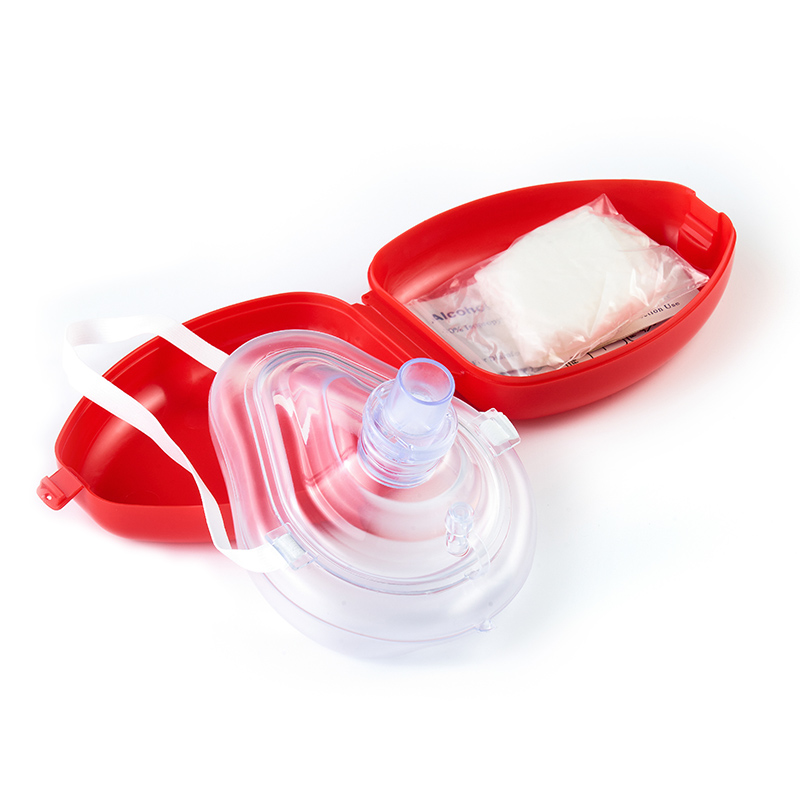
Pocket mask CPR are crucial tools in emergency medical situations, providing a barrier between the rescuer and the victim during cardiopulmonary resuscitation (CPR). These masks serve to protect both parties from potential exposure to bodily fluids, while also ensuring effective ventilation during CPR procedures. Purpose of CPR Pocket Masks The primary purpose of CPR pocket masks is to safeg...
-
What is a Manual Resuscitator (BVM) and How Does it Work?
Aug 17 , 2026
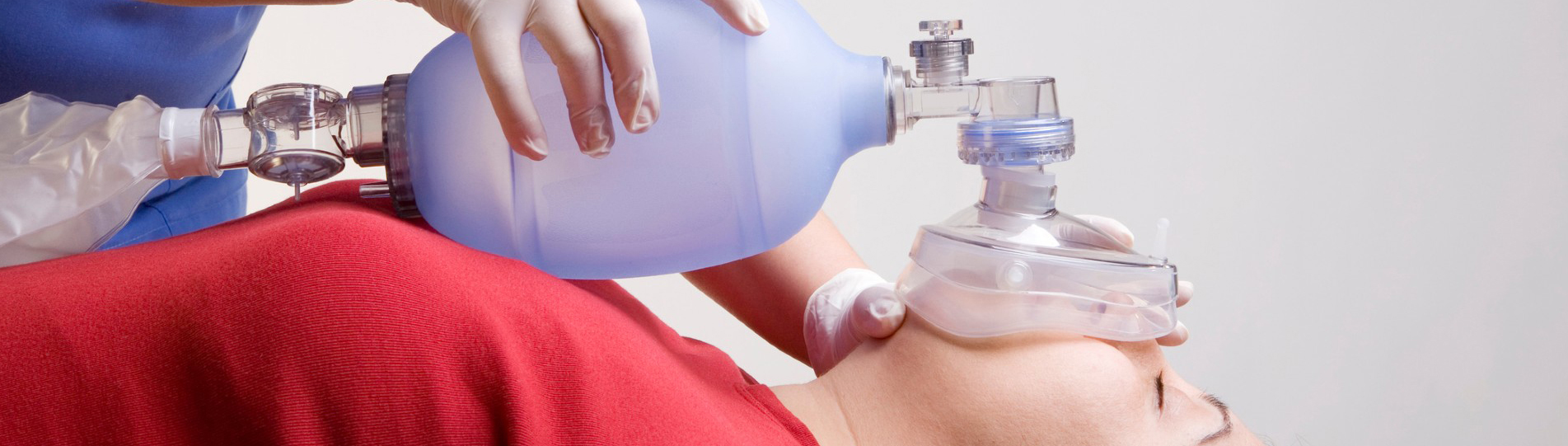
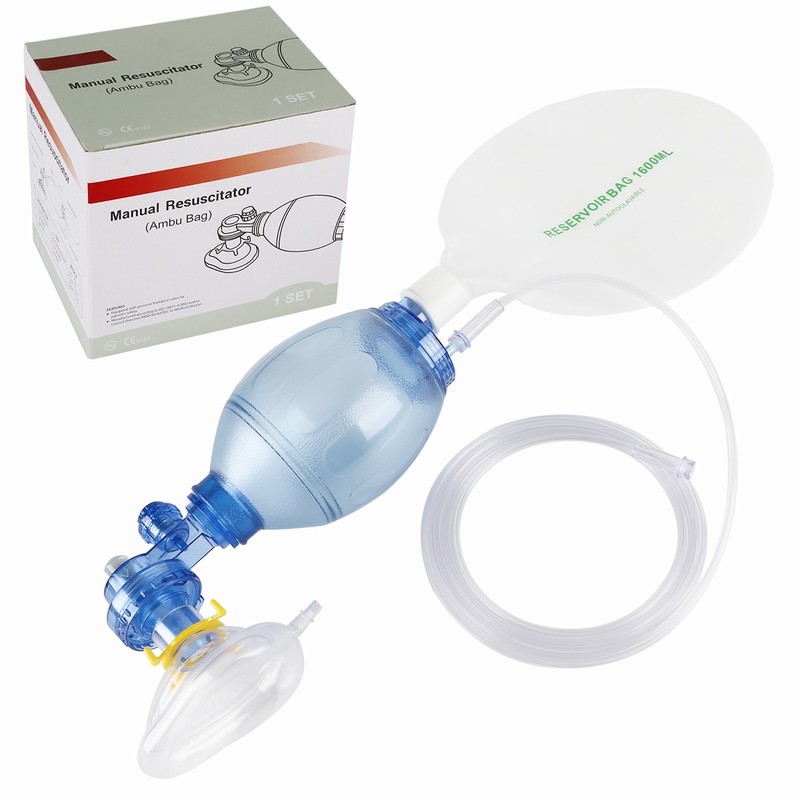
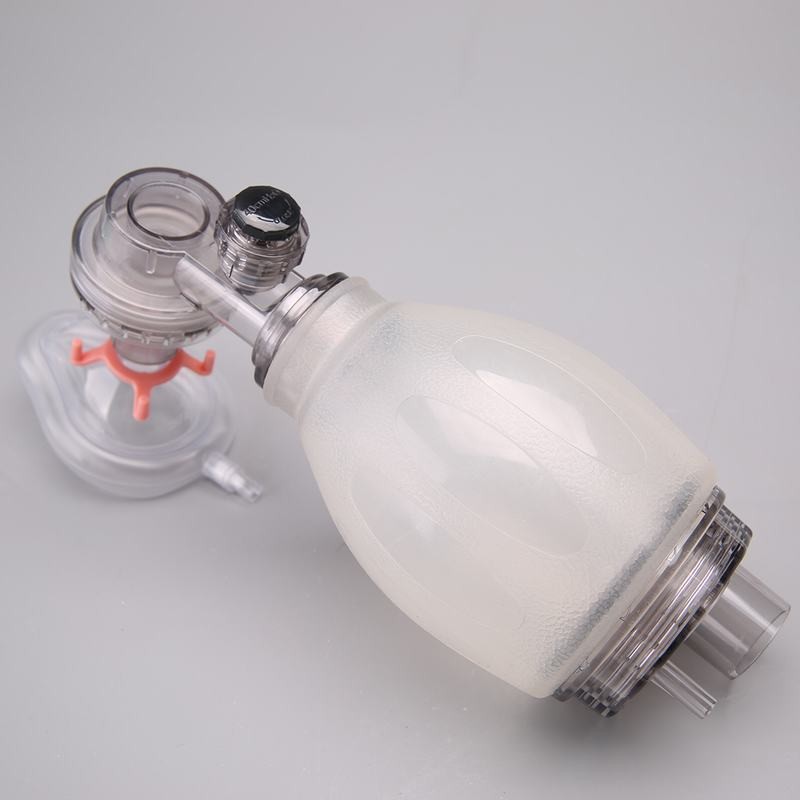
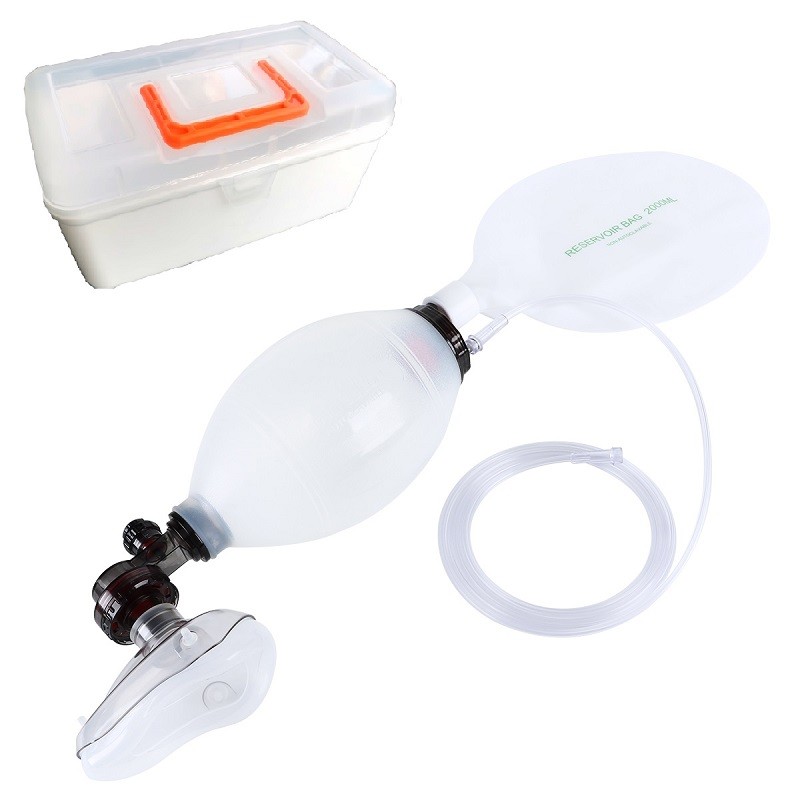
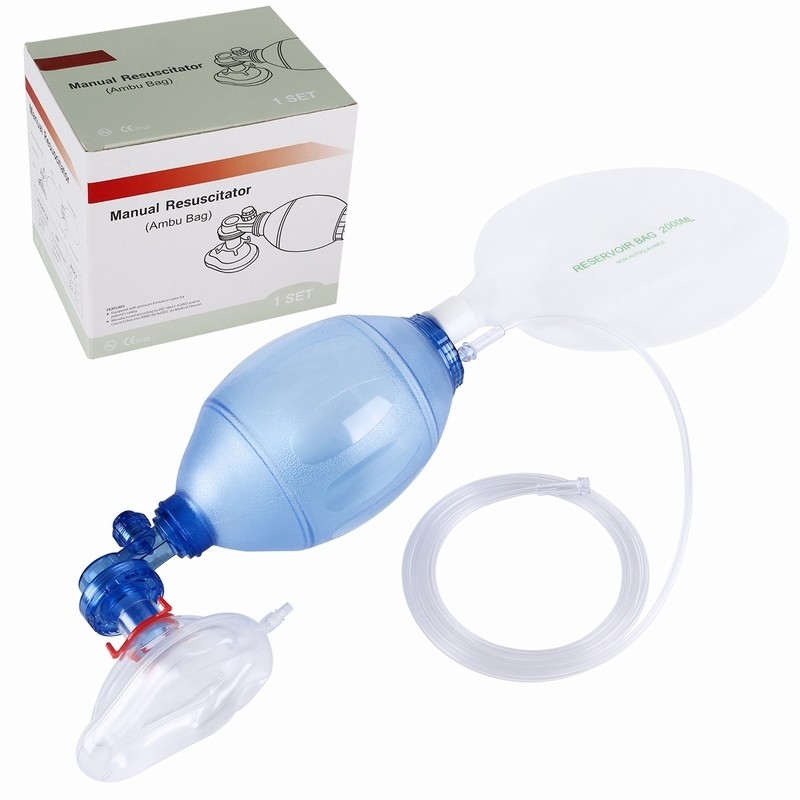
A manual resuscitator BVM serves as a crucial handheld medical device. You deliver manual positive pressure ventilation to vulnerable patients experiencing inadequate breathing or sudden respiratory failure. Emergency responders depend heavily on bag-valve-mask tools across intensive care, pre-hospital resuscitation, and crisis response environments. Proper airway management saves critical time an...
-
Step-By-Step Guide: How to Properly Use a Bag-Valve Mask (Bvm) Device?
Aug 26 , 2026
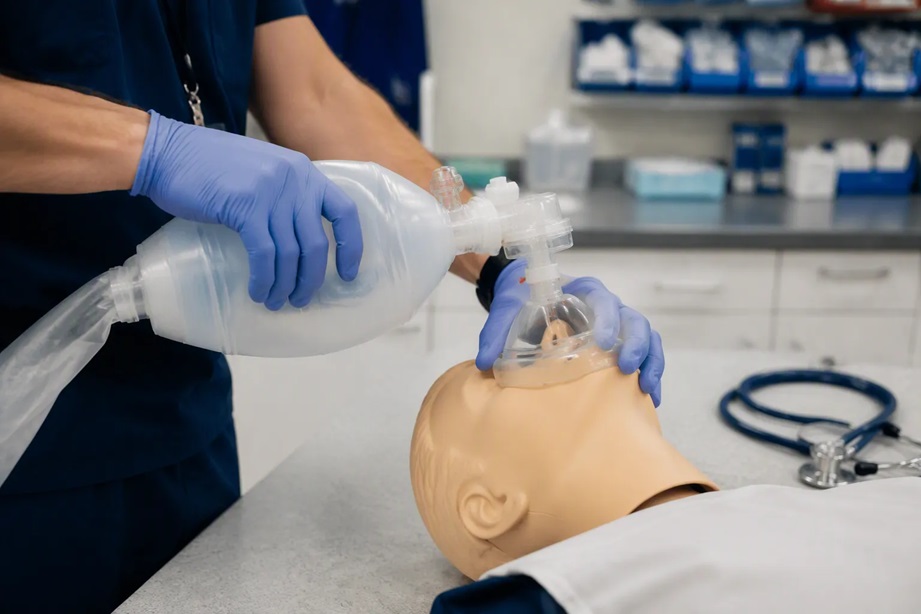
Imagine a patient collapses before you. They stop breathing. Would you know what to do in the first 60 seconds? Your first move: position the patient and open the airway. This simple action saves precious time. A bag-valve mask (BVM) delivers the rescue breath needed to keep oxygen flowing. Data from cardiac arrest studies shows why this matters. Patients receiving ventilation during at least half...
-
How to Properly Use a Pocket CPR Mask?
Sep 01 , 2026
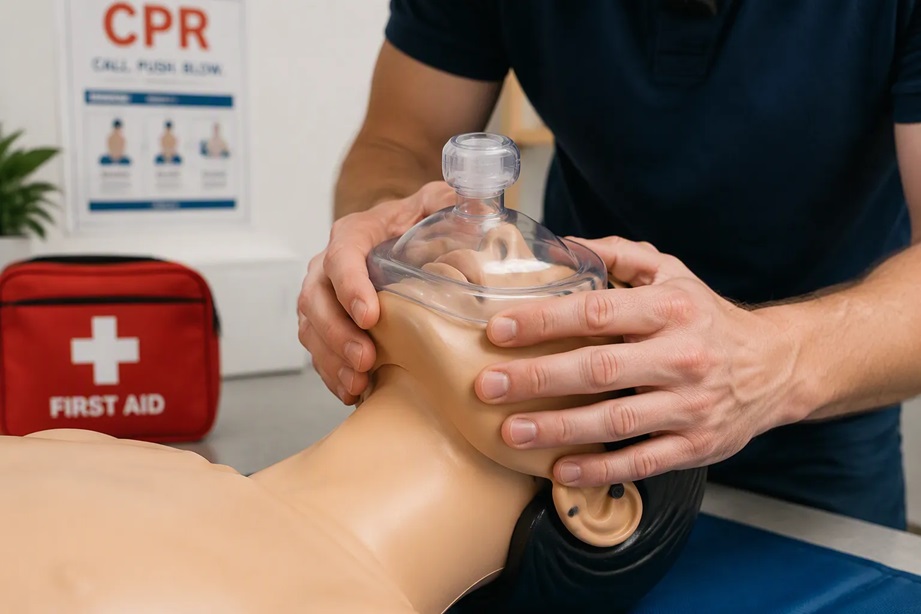
Cardiac arrest strikes without warning. Your response in those first minutes determines survival. A pocket mask transforms rescue breathing into a safe, hygienic act. It creates a barrier between you and the victim while delivering vital oxygen. Overall survival to hospital discharge of patients whose event was not witnessed by EMS was 8.5%. Of these, patients who received bystander CPR had a high...
-
How to Choose the Right BVM Size for Adult, Pediatric, and Infant Patients?
Sep 07 , 2026
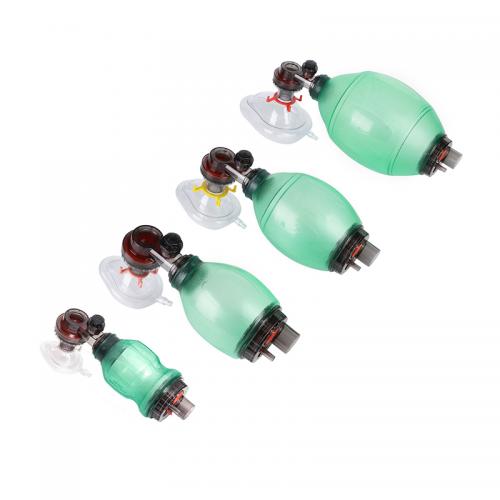
In an emergency, you grab an adult bag valve mask (Bag-Valve-Mask (BVM) Resuscitator) for airway management but hesitate on sizing. Poor bag-valve-mask ventilation follows–a study found 69.3% of patients develop gastric insufflation during prehospital resuscitation. This emergency requires accuracy. The most important factor is matching the mask seal and bag volume to the patient's anatomy, not ag...
-
Disposable VS. Reusable BVM Devices: Which One Should You Choose?
Sep 10 , 2026
A rapid response team pulls a BVM from the code cart. The moment demands action. Yet the choice between disposable vs. reusable BVM devices offers no universal answer. Three factors guide this decision: usage frequency (high-volume or sporadic), budget structure (capital outlay versus per-use cost), and infection control protocols (availability of sterilization equipment). This comparison provides...
-
What Materials Are Used in Bag Valve Masks?
Nov 04 , 2026
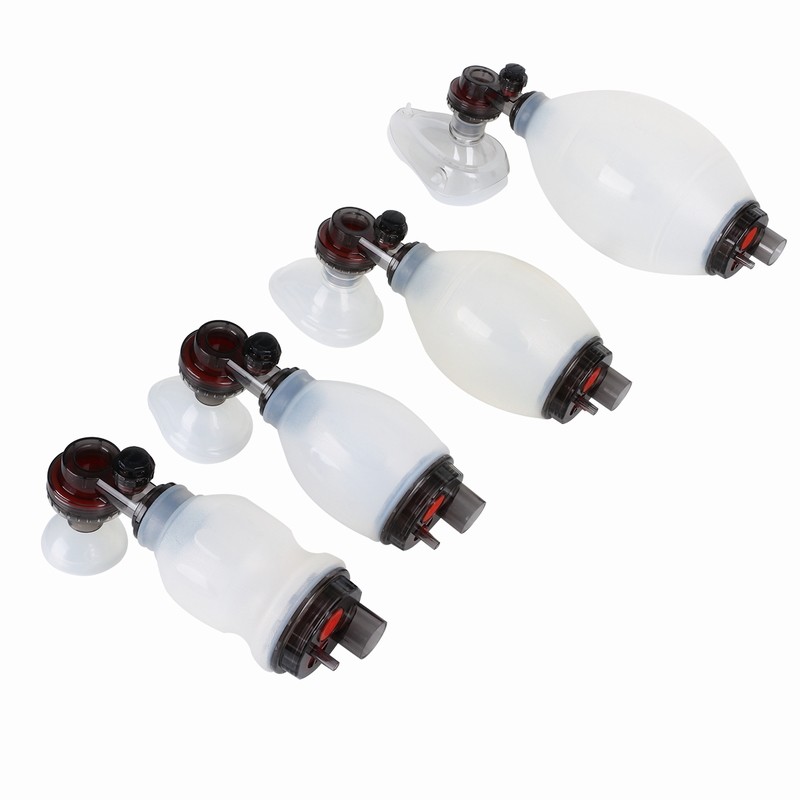
Manufacturers build bag valve masks from several primary materials, including PVC, silicone, and other polymers such as rubber. Most units are latex-free, and each component uses a specific material for a functional reason. The self-inflating bag demands elasticity, the valve demands rigidity, and the mask demands a soft, clear seal. A silicone BVM resuscitator suits repeated cleaning, while a PVC...
-
PVC vs Silicone Bag Valve Mask: Which One Should You Choose?
Nov 10 , 2026
Choose PVC BVMs for cost-effective single-use stock and emergency preparedness. Choose silicone when you need a reusable, durable option for long-term or specialized use. The choice is not strictly disposable versus reusable, however: PVC also comes as a lower-cost reusable version. This PVC vs silicone bag valve mask comparison weighs both materials across performance, application fit, compliance...
-
SEBS vs Silicone Bag Valve Mask: Which Material Is Better?
Nov 10 , 2026
Silicone is generally the better choice for reusable, high-durability bag valve masks. SEBS suits single-use, cost-sensitive scenarios. The SEBS vs Silicone Bag Valve Mask decision depends on your use case, not on a universal winner. You gain durability and heat tolerance with one material. You gain lower cost and single-use convenience with the other. This comparison examines both materials acros...



 IPv6 network supported


 English
 فارسی
 français
 Deutsch
 русский
 italiano
 español
 português
 العربية
 Türkçe