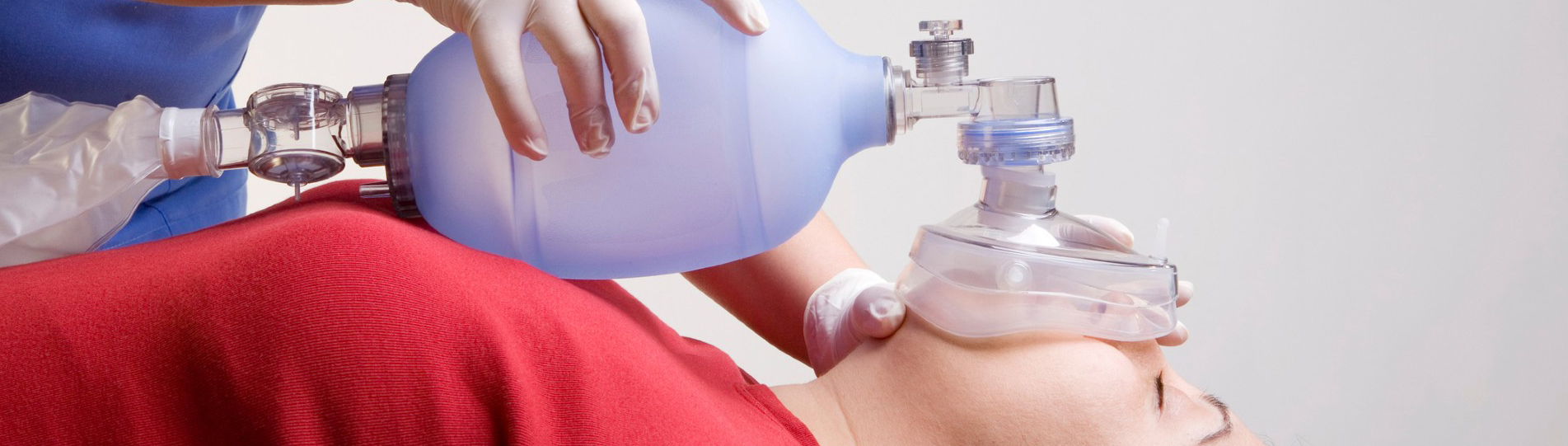

Picture this: a colleague collapses mid-conversation, unresponsive and not breathing. You freeze for a moment, realizing you might need to perform CPR. A CPR mask, also called a pocket mask, is a protective barrier device you place over the victim's mouth to deliver rescue breaths safely. This life-saving device shields you from bodily fluids during an emergency. Without it, mouth-to-mouth contact exposes you to real infection risks. No documented HIV transmission through CPR exists, yet hepatitis C poses a theoretical threat since many carriers don't know their status. Post-COVID concerns elevate these risks further.
The benefit of initiating lifesaving resuscitation in a patient in cardiopulmonary arrest greatly outweighs the risk for secondary infection in the rescuer or the patient. Simple infection-control measures can reduce an already very low level of risk even further.
Having a cpr mask essential for first aid transforms hesitation into action. This small addition to your first aid kit empowers you during sudden cardiac arrest, making you a confident rescuer rather than a passive bystander.
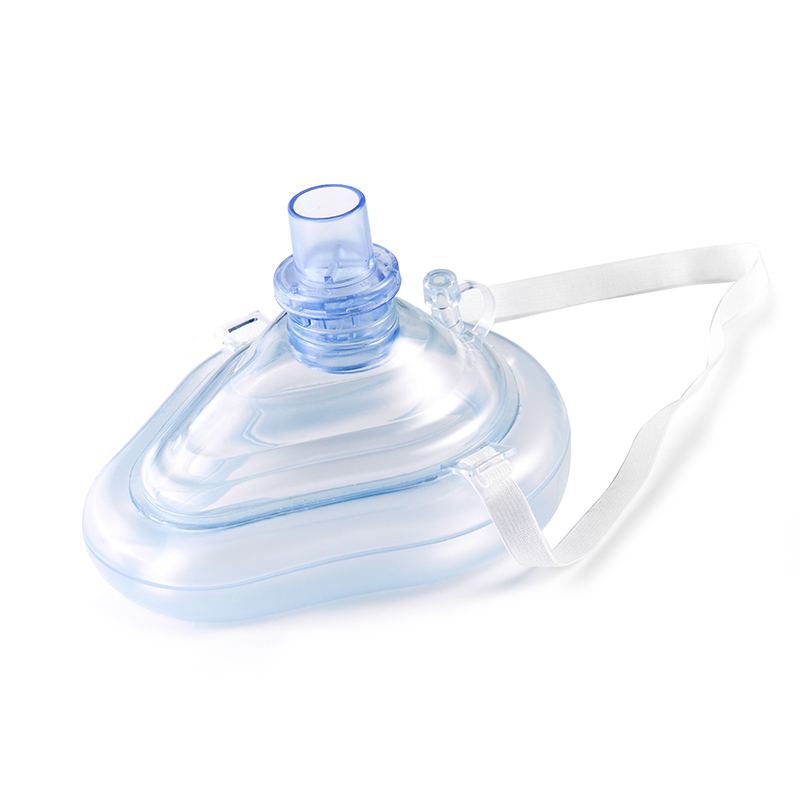
A CPR mask, also referred to as a pocket barrier device, is used during cardiopulmonary resuscitation. This CPR tool prevents direct contact with the patient's mouth and nose. You place it over the victim's face to deliver rescue breaths safely. The device is typically latex-free and includes a critical safety feature: the one-way valve. This valve allows air from your lungs to enter the patient's airway. It stops the patient's exhaled air, saliva, or vomit from reaching you. This design makes the device the gold standard for safety during rescue breathing.
The one-way valve is the heart of the device. Think of it as a door that opens only one way. When you blow into the valve opening, air flows into the patient's lungs. When the patient exhales or coughs, the valve closes tightly. This prevents any fluids or germs from traveling back toward you. The valve's filtration efficiency is impressive.
The CPR Shield with One-Way Valve has a Bacterial Filtration Efficiency (BFE) of 99%, as tested per ASTM F2101-14 standard.
You can also find models with HEPA filter attachments. These attachments push the filtration efficiency above 99.99%. This level of protection makes you feel confident during an emergency.
Manufacturers certify these devices through rigorous standards. You should look for these certifications when choosing a CPR mask:
These certifications ensure the one-way valve and the device itself meet strict CPR safety requirements.
CPR devices come in different sizes. You need the right size to create an effective seal. An adult version fits over the nose and mouth of a grown person. A child version has a smaller shape for younger patients. An infant version is the smallest, designed for babies. Using the wrong size leads to air leaks. Leaks make rescue breaths less effective. This is why you should check your first aid kit for multiple sizes.
Pocket masks are available in kits that include all three sizes. You can also buy separate units for each age group. Having the right equipment removes one more barrier to action. You can focus on delivering effective breaths. You do not need to struggle with a poor fit. This preparation ensures you can act quickly when every second counts.
Every second matters when you face a sudden cardiac arrest. A cpr mask eliminates the need for direct mouth-to-mouth contact. This barrier drastically reduces infection risks from diseases like COVID-19, hepatitis, and others. That is why a cpr mask essential for first aid kits cannot be overstated. Without this protection, many bystanders hesitate to act. The psychological barrier alone prevents many from stepping forward. A simple plastic barrier changes this equation.
Direct mouth-to-mouth resuscitation carries the highest risk of infection during the COVID-19 pandemic. International guidelines from the American Heart Association, European Resuscitation Council, and Australian and New Zealand Committee on Resuscitation now recommend modifications like chest-compression-only cpr for adults. These organizations also emphasize using protective equipment. The risk is significant enough to warrant updated safety measures. You need a barrier that stops airborne particles and fluid droplets.
The one-way valve mechanism in a cpr mask provides a critical barrier. According to the American Heart Association's First Aid Guidelines, this valve significantly reduces disease transmission risks during rescue breathing. It prevents backflow of exhaled air, vomit, blood, or other substances.
The one-way valve mechanism in a cpr mask significantly reduces disease transmission risks during rescue breathing, as it prevents backflow of exhaled air, vomit, blood, or other substances.
What does the research say about actual transmission rates? The evidence is reassuring. No reported transmission of hepatitis B virus, hepatitis C virus, or cytomegalovirus has occurred during cpr. Only three cases of HIV infection acquired during resuscitation exist, and all came from high-risk cutaneous exposures, not through mouth-to-mouth. In total, only 15 documented cases of infection transmission during cpr exist, and most involve bacterial infections like Neisseria meningitidis. The risk remains extremely low, yet a cpr mask essential for first aid kits removes even that minimal risk. You eliminate the theoretical threat entirely.
Research published on PubMed indicates that even basic barrier devices significantly increase bystander willingness to perform rescue breathing. This addresses a key barrier to effective cpr. When you feel protected, you act faster. You do not freeze. You deliver life-saving breaths without hesitation. This psychological benefit is just as important as the physical protection. You become a rescuer who acts, not a bystander who watches.
This device with one-way valve represents the gold standard for safety during rescue breathing. Medical guidelines confirm this status. The device provides essential barrier protection, enabling you to deliver ventilation while minimizing exposure to bodily fluids and infectious diseases. This combination of protection and effectiveness makes it the preferred choice for first aid professionals and lay rescuers alike.
Using this device during cpr demonstrates reasonable care. You follow accepted medical practices. You protect both the patient and yourself. This provides legal protection under Good Samaritan laws. When you carry a pocket barrier, you show preparedness and responsibility. Courts and medical boards recognize the use of standard barrier devices as evidence of proper training and due diligence.
Modern pocket barriers include features that enhance safety and effectiveness. Consider these advantages:
These features transform a simple barrier into a comprehensive rescue tool. You gain confidence knowing you have the right equipment. You become a rescuer who can act effectively in any emergency. The small investment in a quality device pays dividends when a life hangs in the balance. You prepare yourself for the moment when seconds count.
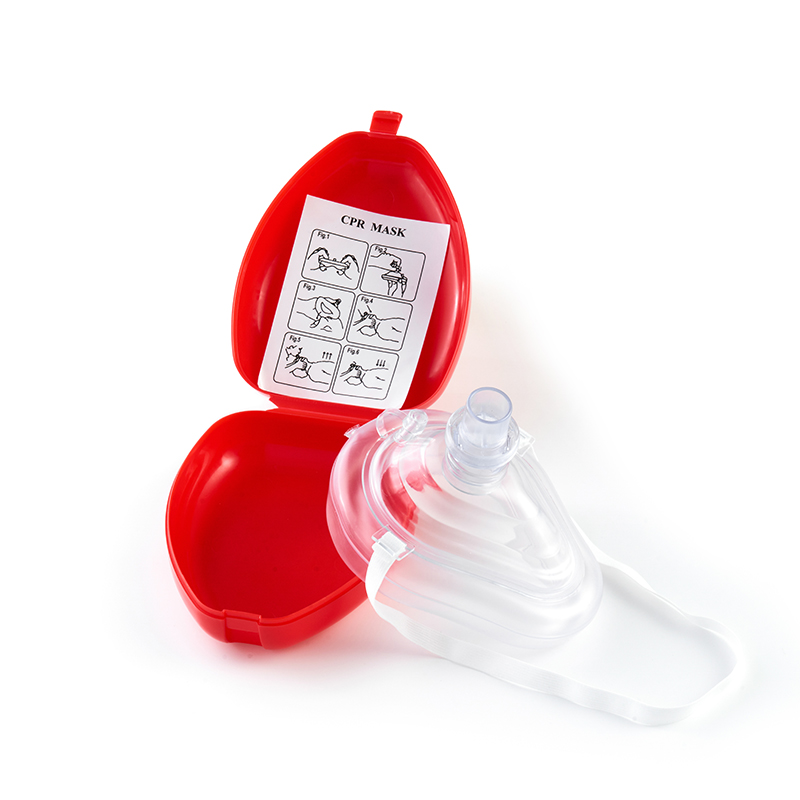
A barrier device only works if you use it correctly. Proper technique separates effective rescue breaths from wasted effort. This section covers the correct steps for two common devices. Practice turns this knowledge into a life-saving skill.
A CPR pocket mask with one-way valve requires precise placement and technique. You must form an airtight seal around the patient's face. Without a good seal, air escapes and the patient receives no benefit. Follow these steps for reliable rescue breaths:
Center the mask over the nose and mouth. Ensure the cushion sits evenly on the face. The pointed end aligns with the nose. This positioning prevents air leaks around the eyes and cheeks.
Lift the jaw into the mask using the double E-C clamp technique. Your thumbs and index fingers form a 'C' around the mask. Your middle, ring, and little fingers form an 'E' along the jaw to lift the mandible. This creates two simultaneous forces: mask stability and jaw lift. The technique ensures an effective seal without pressing the mask deep into the face. You pull the jaw upward into the mask rather than pushing the mask downward.
Deliver a slow breath through the one-way valve. Give each breath over one second. Watch for the chest to rise visibly. Give two breaths, each lasting one second. The slow delivery prevents air from entering the stomach.
Recheck after every ventilation. Look for chest rise. Check for air leaks near the cheeks or eyes. Ensure the jaw lift has not slipped. Confirm the mask has not shifted from chest compressions. These checks ensure each breath is effective.
The double E-C clamp technique is the most critical skill. Avoid pressing the mask hard into the face. Instead, lift the jaw firmly into the mask. This keeps the airway open and prevents air leaks. Proper technique reduces the risk of gastric inflation.
Common mistakes include incorrect positioning, poor mask seal, inadequate airway opening, excessive ventilation, incorrect hand placement, and not monitoring chest rise. Training helps you avoid these errors. Hands-on practice with an instructor builds confidence. Practicing hand placement, controlled breaths, and airway management helps you deliver high-quality rescue ventilation. Trained rescuers provide better ventilation with fewer mistakes. This directly improves patient outcomes.
If you notice air leaks, try these corrections:
The most important rule: if the chest does not rise, reposition the airway and try again. Never proceed without visible chest rise. This ensures you are delivering effective cpr.
A face shield is a thin plastic barrier with a one-way valve. It is compact and fits easily in a wallet or pocket. This makes it ideal for quick use in emergencies. However, it is less secure than a pocket mask. The thin plastic does not form a rigid seal. Air leaks are more common. Use it only when you have no other option. A pocket mask is always preferred for cpr.
To use a face shield effectively:
Remove the shield from its packaging. Unfold it completely.
Place the shield over the patient's mouth and nose. Position the one-way valve directly over the mouth.
Pinch the patient's nose closed to prevent air escape.
Seal your lips around the valve opening. Deliver a breath over one second. Watch for chest rise.
Remove your mouth after each breath. Allow the patient to exhale fully before giving the next breath.
A face shield offers less protection than a pocket mask. For regular first aid preparedness, pocket masks are the superior choice. Both devices require practice. Incorporate them into your cpr training sessions. This ensures you are ready when an emergency strikes. Knowing how to use both devices makes you a more versatile rescuer. You can adapt to any situation with confidence. The face shield is a single-use device. Discard it after each use. Do not attempt to clean and reuse it. Pocket masks are reusable after proper cleaning and disinfection. Practice with both devices until the steps become automatic. During an emergency, you will not have time to read instructions. Muscle memory from regular practice ensures you act correctly.
Selecting the right barrier device requires understanding your needs. You have two primary options: pocket masks and face shields. Each serves a distinct purpose in emergency preparedness. Both belong in your first aid kit, but you should know when to reach for each one.
Pocket masks are reusable, durable, and provide a superior seal. Their rigid construction holds shape during ventilation. You can clean and disinfect them after each use. Face shields, by contrast, are thin plastic barriers with a one-way valve. They fold flat and fit in your wallet. You discard them after a single emergency. The trade-off involves protection versus portability.
|
Comparison Aspect |
Pocket Mask |
Face Shield |
|---|---|---|
|
Seal quality |
Rigid cushion forms airtight seal |
Thin plastic, prone to air leaks |
|
Reusability |
Reusable after proper cleaning |
Single-use only |
|
Portability |
Requires storage case |
Fits in pocket or wallet |
|
Ventilation effectiveness |
Higher, with visible chest rise |
Lower, less reliable seal |
|
Eye protection |
Not included |
Covers eyes, reducing infection risk |
A pocket CPR mask offers better ventilation because you can form a proper seal. Face shields reduce immediate viral exposure by up to 96% at 18 inches from a cough, yet they leak more air during rescue breaths. For a first aid kit, pocket masks remain the preferred choice. You can also find a pocket CPR resuscitator mask with head straps that maintain the seal hands-free. This feature proves valuable during prolonged resuscitation efforts.
CPR masks do not last forever. Materials degrade over time. The one-way valve can crack or lose flexibility. You must check expiration dates regularly. Laerdal face shields last a minimum of 10 years. Persys Medical PBVM-C and PBVM-G models last 5 years. Mark your calendar with these dates.
Inspect your mask quarterly. Look for cracks in the transparent dome. Test the valve by blowing through it. Replace any component that shows wear. Many quality masks feature replaceable valves and filters. This extends the kit's longevity. Store your mask in a protective case. Hard cases offer maximum protection. Soft cases provide compact portability.
High-quality options, such as those from Tianzuo Medical, prioritize reliability and ease of use. Their designs include transparent domes for monitoring the patient's mouth. You can spot vomit or other complications during ventilation. Low-resistance valves ensure efficient airflow without extra effort. These features make a cpr mask essential for first aid preparedness. You invest once in essential equipment that serves you for years. Check your first aid kit today. Confirm your mask has not expired. Practice using it so you remain ready when seconds count.
A CPR mask is not an accessory. It is a critical tool that empowers you to act without hesitation during cardiac arrest. This small device protects you from disease transmission, enables effective rescue breaths through its one-way valve, and represents a modest investment that can save a life. Whether you choose a pocket CPR mask or a pocket CPR resuscitator mask with head straps, having a CPR pocket mask with one-way valve ready matters.
Check your first aid kit today. If you lack a cpr mask essential for first aid preparedness, purchase one now. Choose a reliable brand like Tianzuo Medical. Practice using your mask so you remain ready when an emergency strikes. Share this article with family and friends to spread awareness.
Formal training helps significantly. You can still use the device without it. The mask's design simplifies rescue breathing. Practice with a manikin builds muscle memory. Watch instructional videos from reputable organizations. Your confidence grows with preparation. A pocket CPR mask works best when you know proper technique.
Disassemble the mask completely. Remove the one-way valve. Wash all components with warm, soapy water. Rinse thoroughly. Disinfect using a medical-grade solution. Allow everything to air dry completely. Replace the valve if damaged. Store the clean mask in its protective case. Regular cleaning maintains the CPR pocket mask with one-way valve functionality.
You need different sizes for different patients. Adult masks fit larger faces. Child and infant versions create proper seals for smaller patients. Using the wrong size causes air leaks. Ineffective breaths result from poor seals. Purchase a kit containing multiple sizes. This ensures you have the right equipment for any emergency.
Face shields offer quick protection but leak more air. Pocket masks provide a rigid, airtight seal. They deliver more reliable rescue breaths. For comprehensive first aid preparedness, pocket masks remain the superior choice. Keep a face shield as a backup option. A pocket CPR resuscitator mask with head straps offers hands-free operation during prolonged efforts.

 IPv6 network supported


 English
 فارسی
فارسی français
 Deutsch
 русский
 italiano
 español
 português
 العربية
 Türkçe