-
Protecting Poly-Traumatized Patients: Introducing the Adjustable Extrication Collar
Mar 17 , 2023
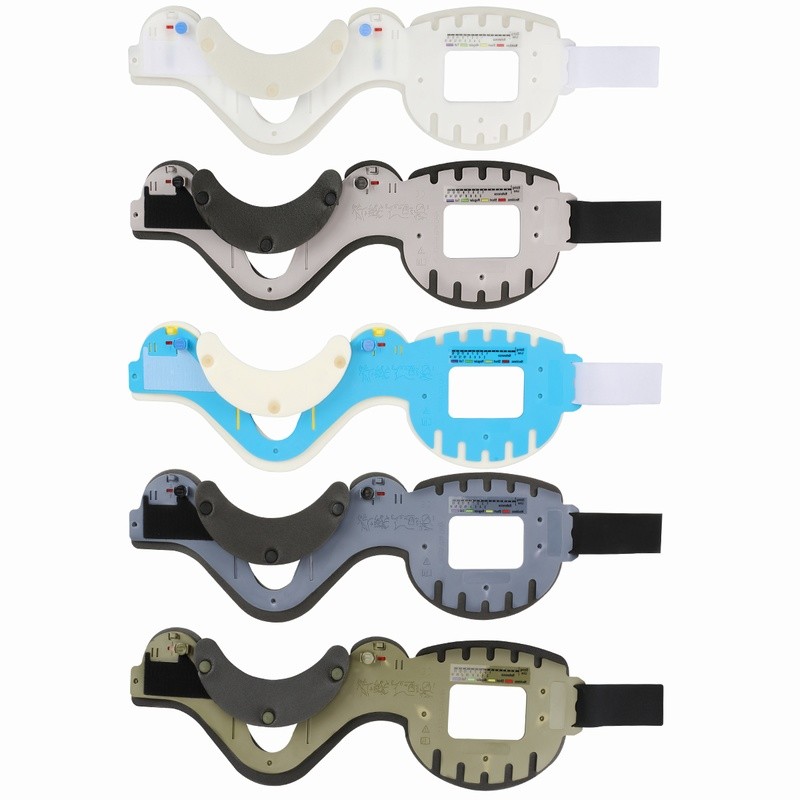
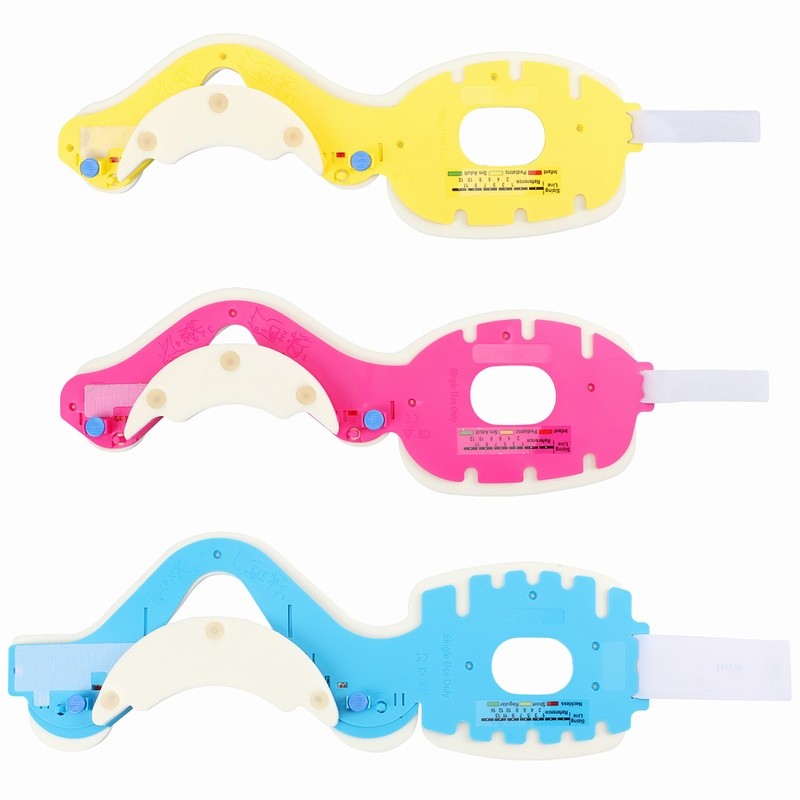
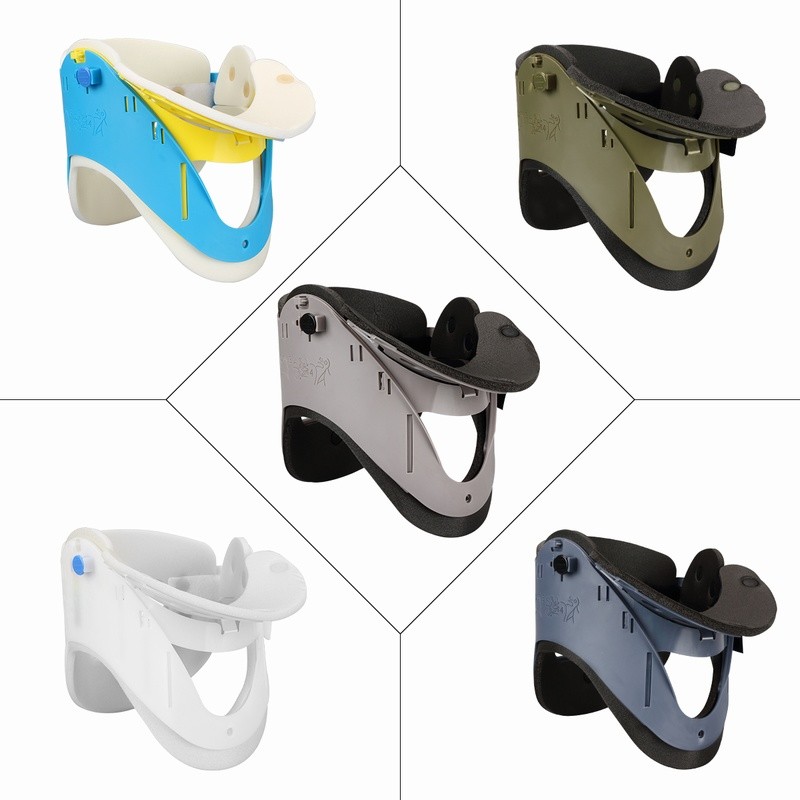
Welcome to our company's Adjustable Extrication Collar product page! Our collar is a vital medical device designed to protect the cervical spine of poly-traumatized patients during movement and transportation. The Adjustable Extrication Collar is specifically designed to prevent compression of the cervical rachis, which is crucial in the treatment and care of patients with multiple traumatic injur...
-
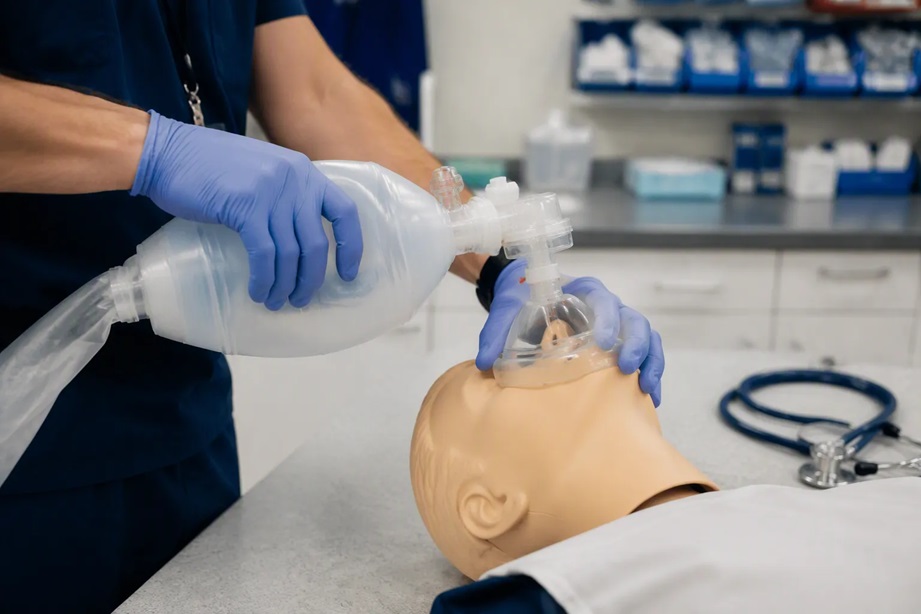
Step-By-Step Guide: How to Properly Use a Bag-Valve Mask (Bvm) Device?
Aug 26 , 2026
Imagine a patient collapses before you. They stop breathing. Would you know what to do in the first 60 seconds? Your first move: position the patient and open the airway. This simple action saves precious time. A bag-valve mask (BVM) delivers the rescue breath needed to keep oxygen flowing. Data from cardiac arrest studies shows why this matters. Patients receiving ventilation during at least half...
-
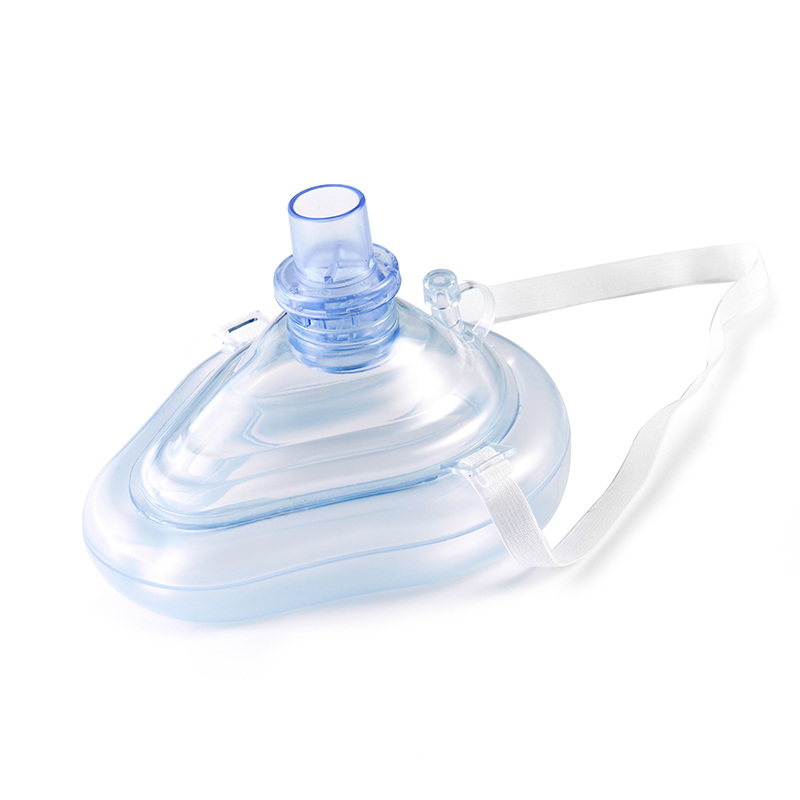
What is a CPR Mask And Why is it Essential for First Aid?
Sep 03 , 2026
Picture this: a colleague collapses mid-conversation, unresponsive and not breathing. You freeze for a moment, realizing you might need to perform CPR. A CPR mask, also called a pocket mask, is a protective barrier device you place over the victim's mouth to deliver rescue breaths safely. This life-saving device shields you from bodily fluids during an emergency. Without it, mouth-to-mouth contact...
-
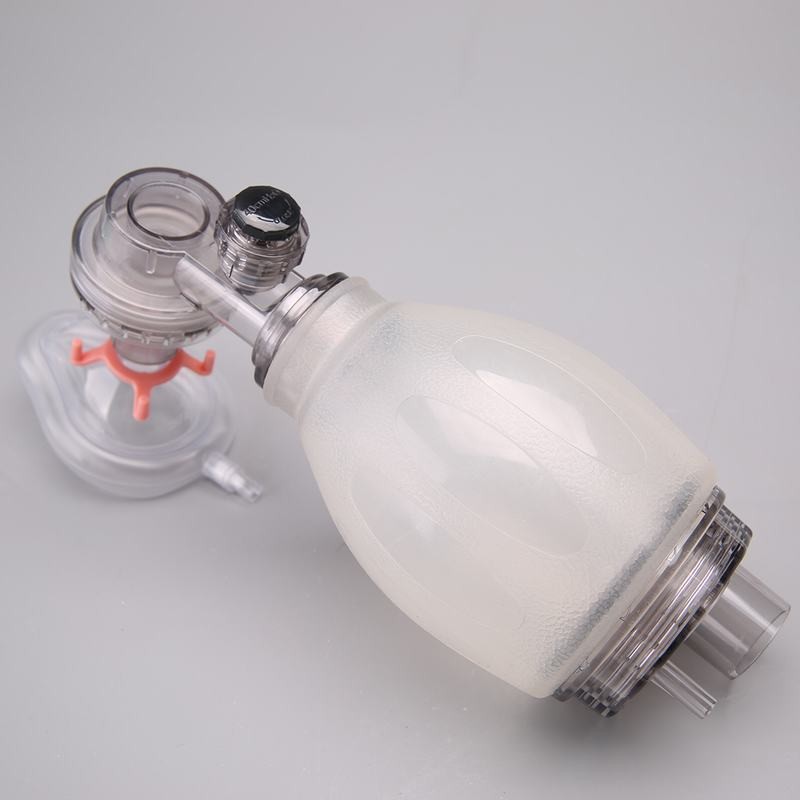
How to Choose the Right BVM Size for Adult, Pediatric, and Infant Patients?
Sep 07 , 2026
In an emergency, you grab an adult bag valve mask (Bag-Valve-Mask (BVM) Resuscitator) for airway management but hesitate on sizing. Poor bag-valve-mask ventilation follows–a study found 69.3% of patients develop gastric insufflation during prehospital resuscitation. This emergency requires accuracy. The most important factor is matching the mask seal and bag volume to the patient's anatomy, not ag...
-
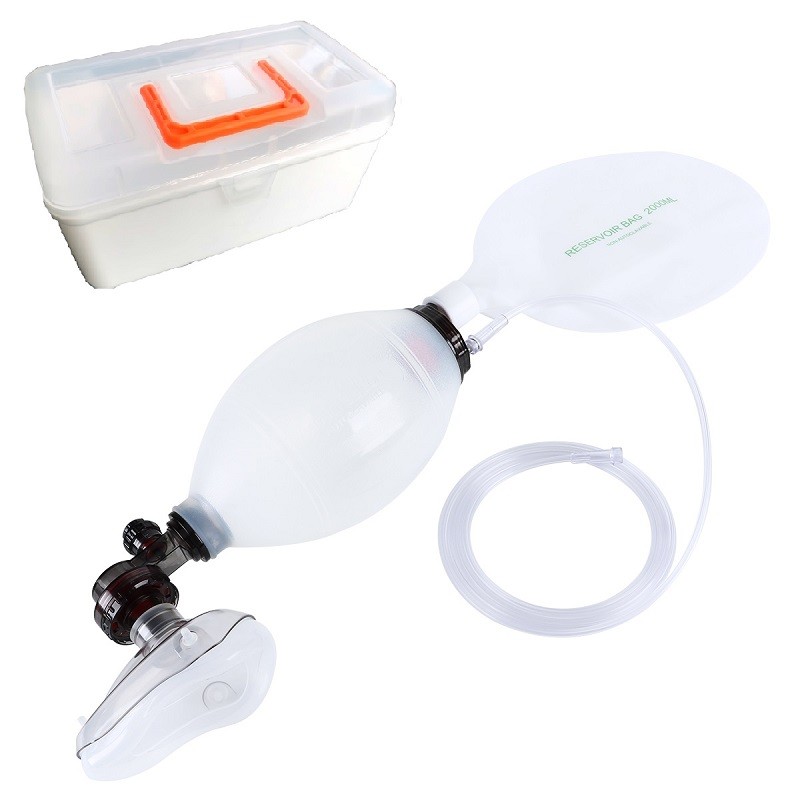
Disposable VS. Reusable BVM Devices: Which One Should You Choose?
Sep 10 , 2026
A rapid response team pulls a BVM from the code cart. The moment demands action. Yet the choice between disposable vs. reusable BVM devices offers no universal answer. Three factors guide this decision: usage frequency (high-volume or sporadic), budget structure (capital outlay versus per-use cost), and infection control protocols (availability of sterilization equipment). This comparison provides...
-
How to Properly Fit an Extrication Collar to a Patient?
Oct 15 , 2026
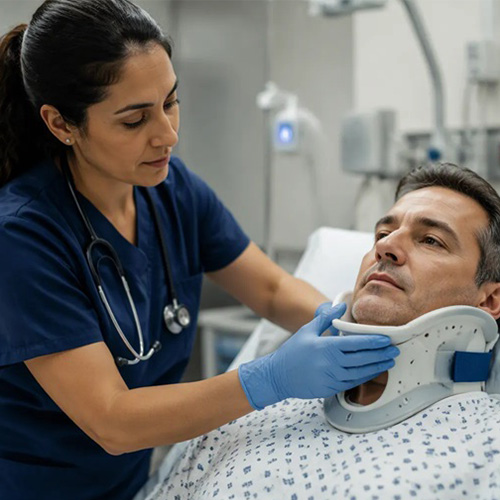
Fitting a cervical extrication collar correctly stands as a core skill for every first responder. Your actions directly influence spinal immobilization quality and patient recovery. A poorly fitted collar can compromise the airway, cause skin breakdown, or fail to stabilize the spine entirely. Research shows pressure injury rates range from 1.1% to 78.4% among trauma patients wearing these devices...
-
What Is an Extrication Collar and How Does It Work
Oct 22 , 2026
A car crash, a hard fall, a tackle gone wrong — in that moment, you may see a responder reach for a rigid device and fit it around the patient's neck. That device is an extrication collar, a one-piece brace that holds the head and neck still during rescue and transport. You will see extrication collars in prehospital care because they limit head and neck movement while crews lift, move, and load a...
-
When Is a Spinal Immobilization Collar Indicated for Use?
Oct 28 , 2026
A spinal immobilization collar is indicated after trauma when a patient has a known or suspected cervical spine injury, altered mental status, midline tenderness, focal neurologic deficits, distracting injuries, or penetrating trauma to the head, neck, or torso with neurologic complaints. The device may also help patients with spinal pain or tenderness, midline spinal tenderness, and signs consist...
-
Risks Associated With Improper Placement of a Cervical Collar
Oct 28 , 2026
A cervical collar protects the spinal cord only when someone places it correctly. The improper placement of a cervical collar turns a protective device into a hazard. Readers often ask about the potential harm of c collars, and the answer starts with five key risks: worsened spinal cord injury, airway and breathing compromise, pressure ulcers and muscle atrophy, elevated intracranial pressure, and...





 IPv6 network supported


 English
 فارسی
 français
 Deutsch
 русский
 italiano
 español
 português
 العربية
 Türkçe