-
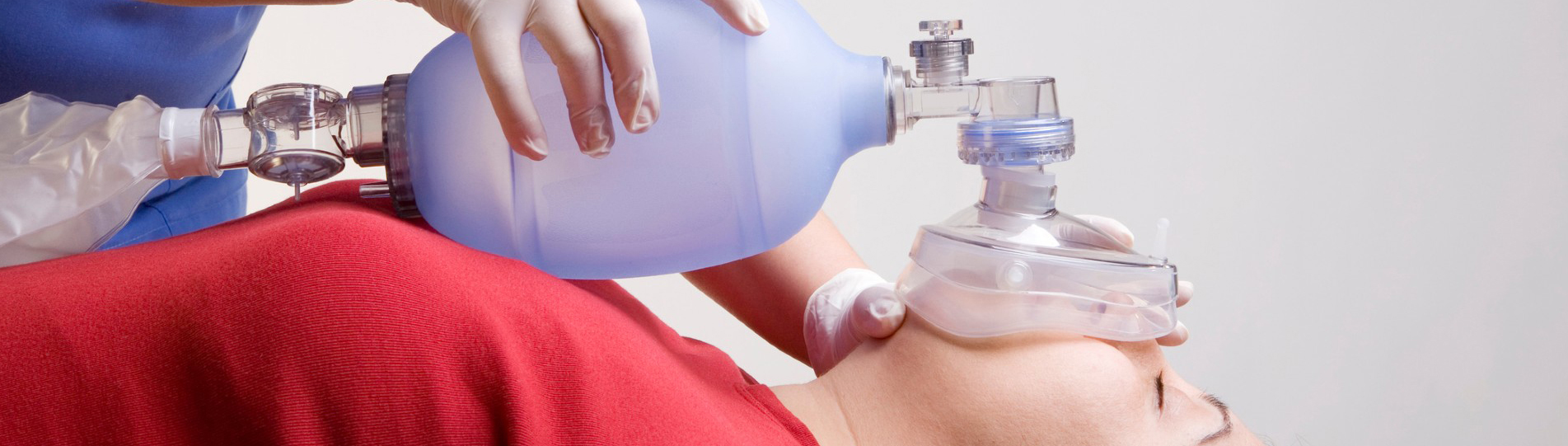
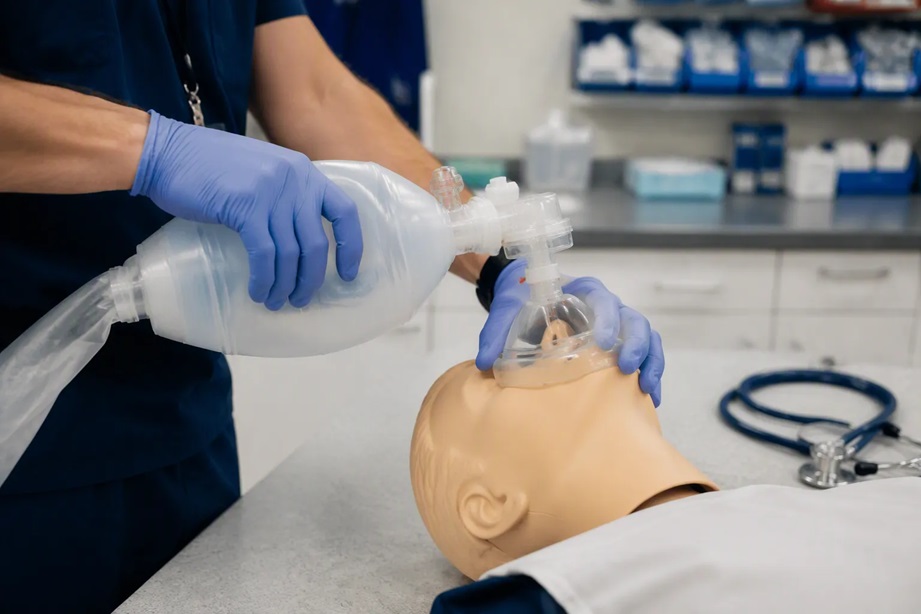
Step-By-Step Guide: How to Properly Use a Bag-Valve Mask (Bvm) Device?
Aug 26 , 2026
Imagine a patient collapses before you. They stop breathing. Would you know what to do in the first 60 seconds? Your first move: position the patient and open the airway. This simple action saves precious time. A bag-valve mask (BVM) delivers the rescue breath needed to keep oxygen flowing. Data from cardiac arrest studies shows why this matters. Patients receiving ventilation during at least half...
-
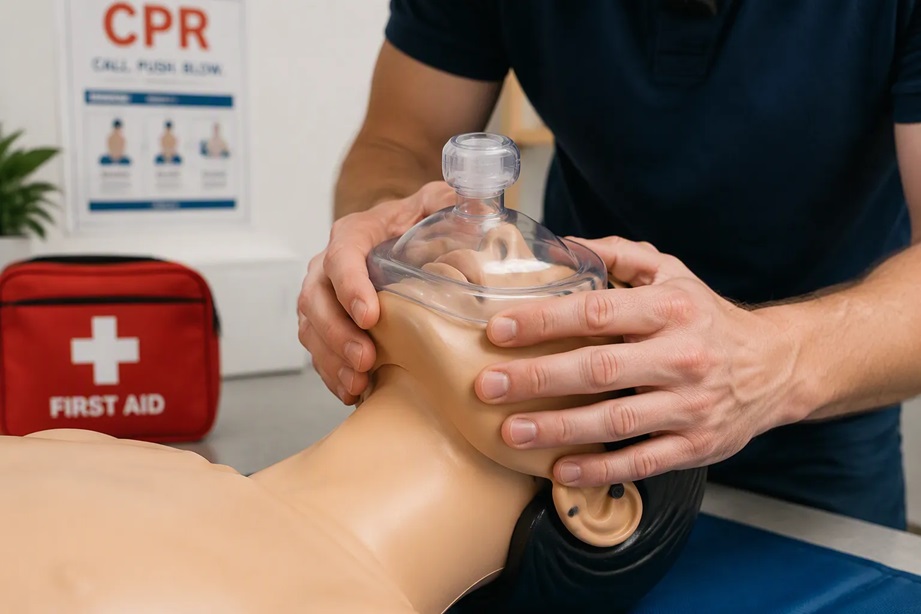
How to Properly Use a Pocket CPR Mask?
Sep 01 , 2026
Cardiac arrest strikes without warning. Your response in those first minutes determines survival. A pocket mask transforms rescue breathing into a safe, hygienic act. It creates a barrier between you and the victim while delivering vital oxygen. Overall survival to hospital discharge of patients whose event was not witnessed by EMS was 8.5%. Of these, patients who received bystander CPR had a high...
-
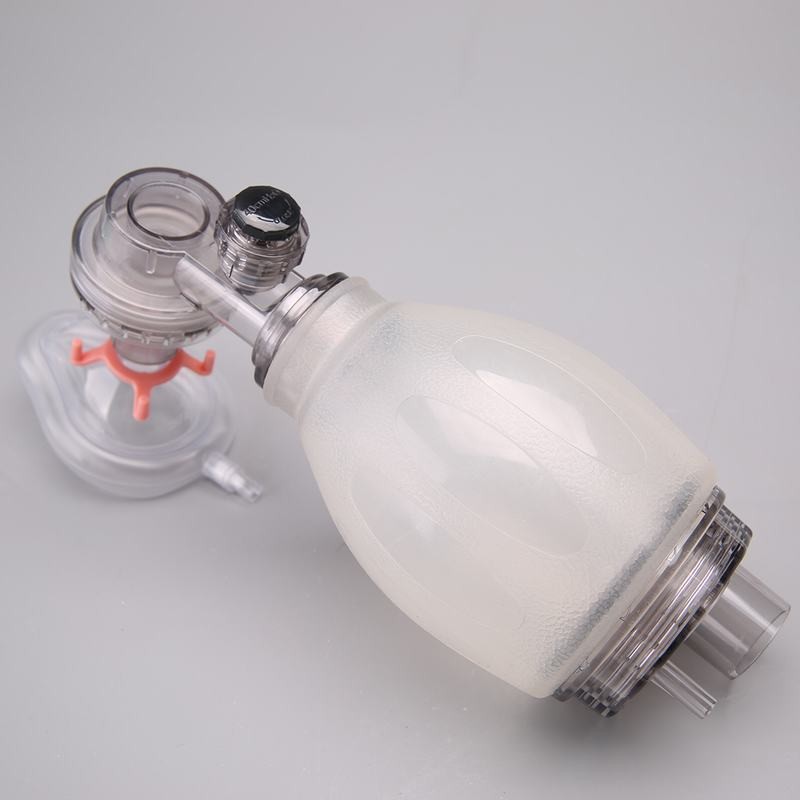
How to Choose the Right BVM Size for Adult, Pediatric, and Infant Patients?
Sep 07 , 2026
In an emergency, you grab an adult bag valve mask (Bag-Valve-Mask (BVM) Resuscitator) for airway management but hesitate on sizing. Poor bag-valve-mask ventilation follows–a study found 69.3% of patients develop gastric insufflation during prehospital resuscitation. This emergency requires accuracy. The most important factor is matching the mask seal and bag volume to the patient's anatomy, not ag...
-
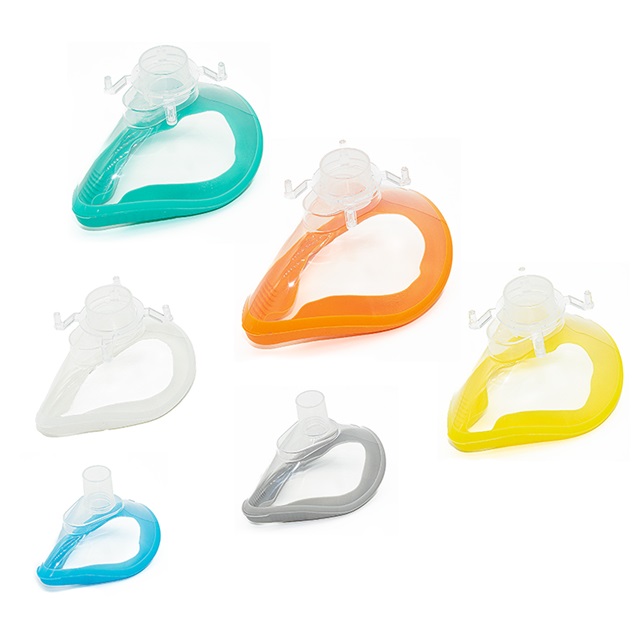
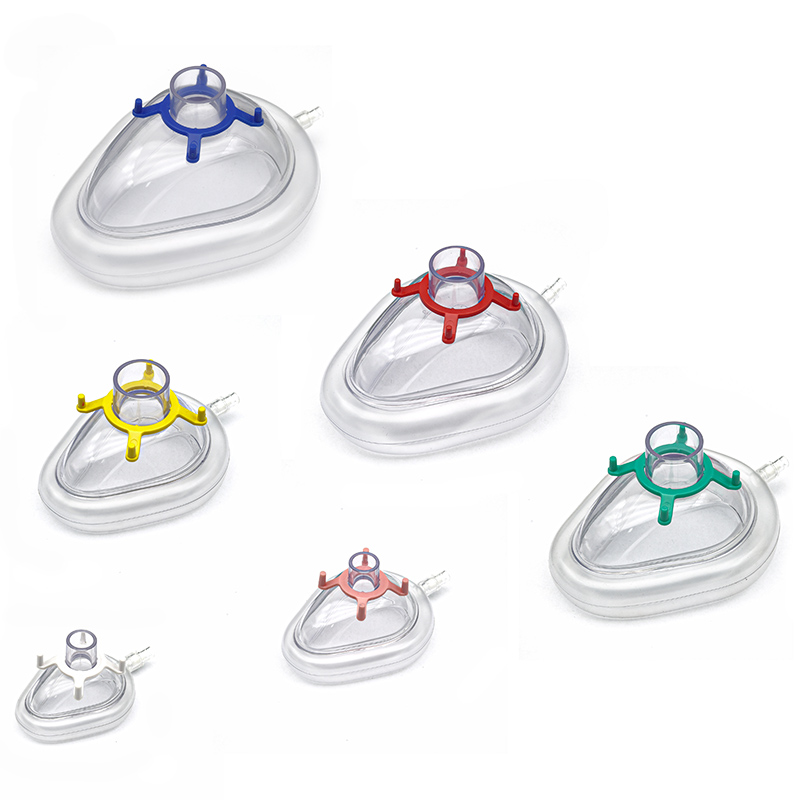
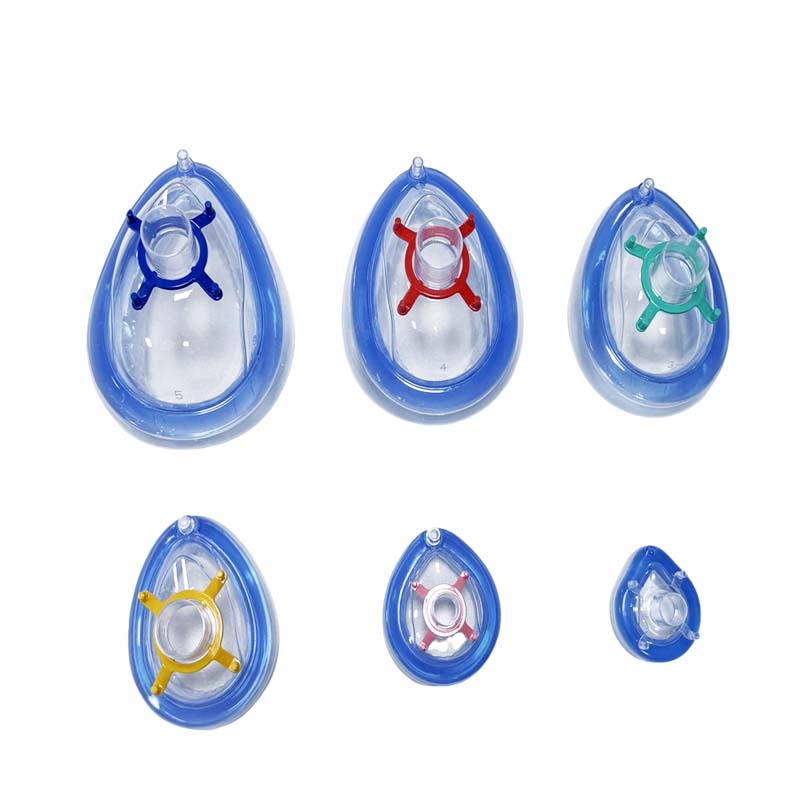
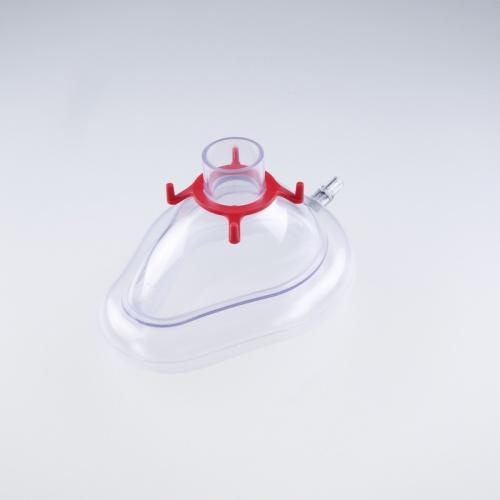
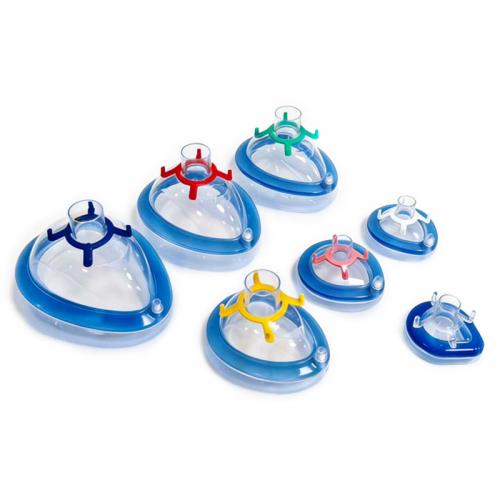
What Is an Anesthesia Mask and How Does It Work?
Sep 15 , 2026
The question of what is an anesthesia mask has a direct answer: it is a rubber or silicone device that covers both the mouth and nose. Its purpose is to deliver oxygen and anesthetic gases to the patient. The mask forms a tight seal against the face. This seal creates a controlled breathing circuit that connects the mask to an anesthetic vaporizer and reservoir bag. The care team monitors the pati...
-
How to Choose the Right Anesthesia Mask for Medical Professionals
Sep 21 , 2026
Choosing the right anesthesia mask is a critical clinical decision. It directly affects ventilation quality, seal performance, and patient safety. A poor fit can cause leaks, reduce oxygen delivery, and place the patient at risk. Anesthesiologists and other anesthesia providers must evaluate each patient carefully. Facial anatomy, airway risk, and the planned procedure all shape the ideal face mas...
-
How to Avoid Common Mistakes When Using an Anesthesia Mask
Sep 23 , 2026
An inadequate seal stands as the single most critical error in mask ventilation. This failure undermines every other effort you make. When you treat a child, a leaky seal wastes oxygen and endangers the airway. You will learn how to avoid common mistakes here. Even skilled providers develop bad habits over time. Children sense your tension, and a child deserves your calm focus. A child needs your ...
-
Where Can I Find Suppliers for Medical-Grade Anesthesia Masks?
Sep 30 , 2026
Start your search for medical-grade anesthesia masks with five supplier categories: OEM/ODM manufacturers, authorized distributors, online B2B platforms, specialized marketplaces, and emerging 3D printing services. Major manufacturers such as Ambu, Drägerwerk, and Flexicare produce these devices, including PVC Anesthesia Masks, Autoclavable Silicone Anesthesia Mask, and Reusable silicone anesthesi...
-
Disposable vs. Reusable Anesthesia Masks: Which Is Better for Patients?
Sep 30 , 2026
For most patients, disposable anesthesia masks carry a lower infection risk. Yet recent evidence shows reusable anesthesia masks perform just as well on safety. They may also cost less and produce less waste. No single anesthesia mask wins every case. The right choice balances safety, cost, environmental impact, and clinical context. Clinicians compare disposable vs. reusable models across operati...
-
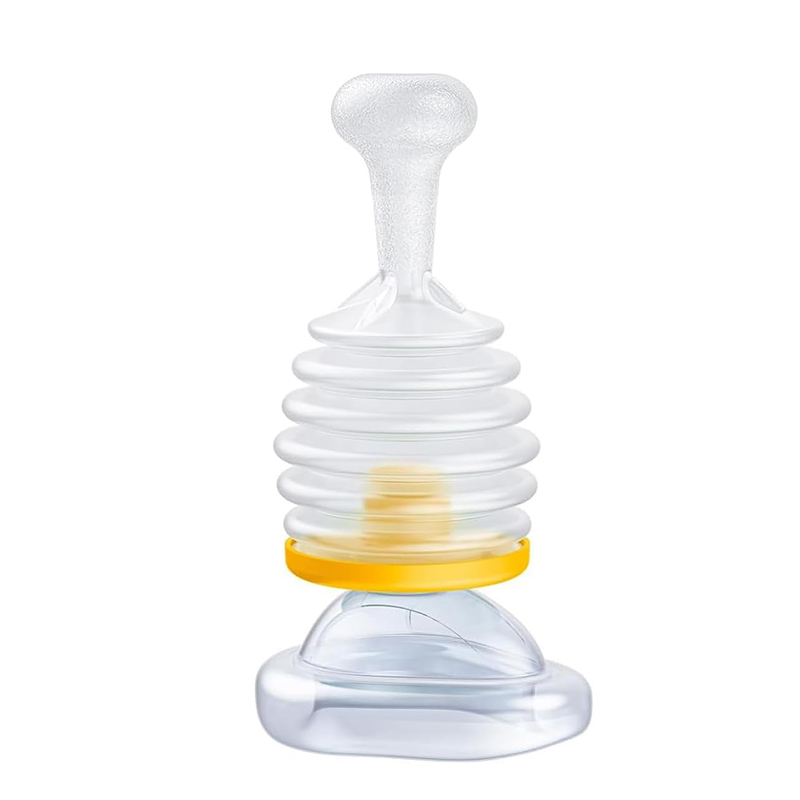
Anti-Choking Devices Explained: What They Are and How They Function
Oct 22 , 2026
A choking scare at home changes how you think about safety. One minute everything is normal, and the next someone is unable to breathe with food blocking their airway. You call for help and wonder whether a store-bought anti choking device could make a difference. An anti-choking device claims to create a seal around the mouth and use suction to pull an obstruction from the airway. This article ex...



 IPv6 network supported


 English
 فارسی
 français
 Deutsch
 русский
 italiano
 español
 português
 العربية
 Türkçe